
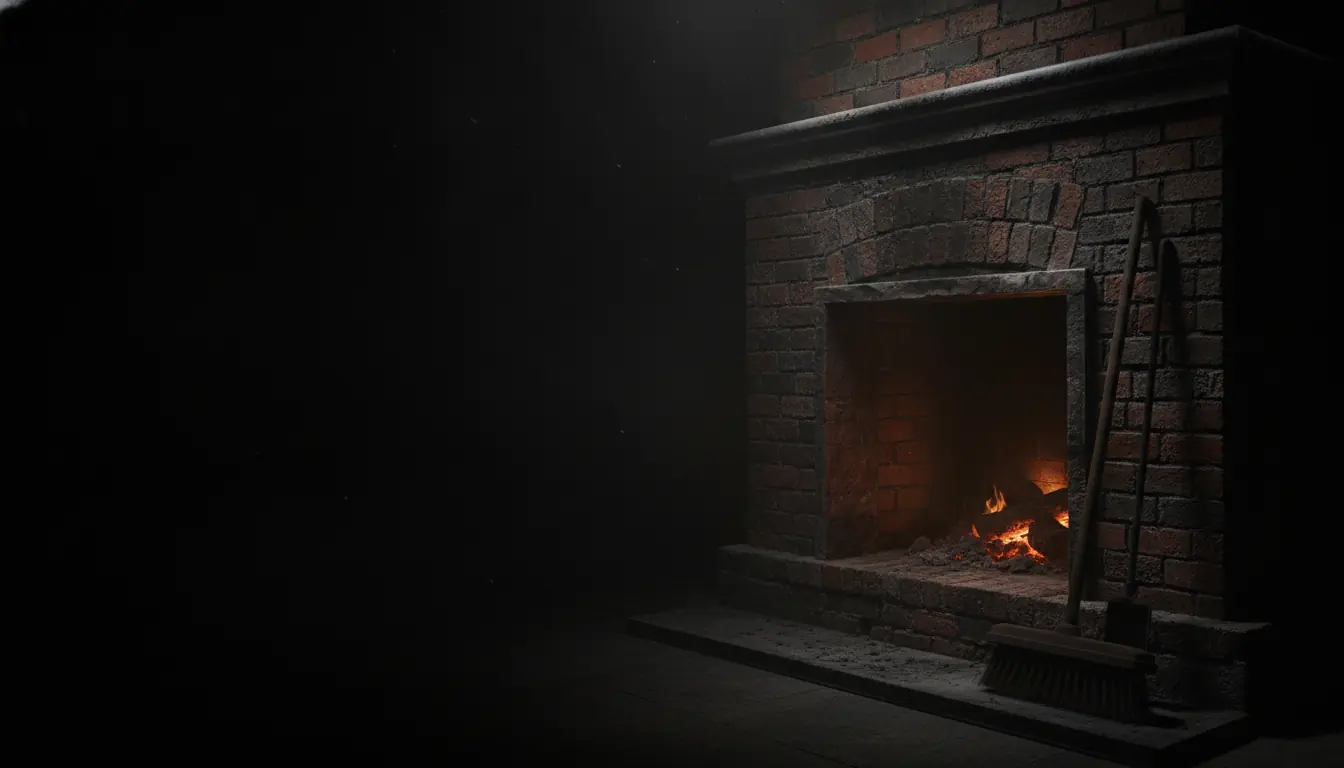
Cuyahoga County, Ohio
Chimney Inspection in Westlake, OH
Camera inspection of the full flue, plus the firebox, damper, crown, cap and flashing — documented in photos, explained in plain language.
What chimney inspection involves in Westlake is set by the housing stock here: Later-era housing with a high share of factory-built fireplaces — rusting chase covers, cracked refractory panels and metal flues that still need annual sweeping, plus conventional masonry in the older pockets.
Westlake was farmland and township into the middle of the last century, and the bulk of its housing came later than the inner-ring suburbs: substantial building from the 1970s onward and strong 1990s and 2000s neighborhoods filling in around Dover Center, Columbia and Hilliard. That changes what chimney service means here in a way that catches a lot of contractors out.
You cannot see the part of the chimney that matters most. From the ground a stack can look perfectly sound while the flue tiles inside are cracked, shifted, or missing their mortar joints entirely. A compromised flue is exactly how heat and combustion gases reach the wood framing that surrounds every masonry chimney, and there is no version of that story with a good ending. An inspection puts a camera up the full length of the flue and eyes on every accessible part of the system, and gives you the photographs rather than just a verdict.
What we find on Westlake chimneys that leads to chimney inspection
Metal flues still build creosote
There is a persistent belief that a factory-built fireplace does not need sweeping because there is no masonry. Wood smoke deposits creosote on a stainless flue exactly as it does on clay tile, and NFPA 211's annual inspection recommendation covers factory-built systems explicitly. What changes is technique: a wire brush that is fine in clay tile will damage a stainless flue, so it wants a poly brush sized to the pipe. If a sweep does not ask what kind of system you have before arriving, that is worth noticing.
Cracked refractory panels, and the wrong repair
The molded panels lining a factory-built firebox are a wear item with a service life, and they crack with thermal cycling. The correct fix is replacement with the panel specified for that make and model, because the panel's job is to hold a defined thickness of insulating material between the fire and the steel shell. Filling a cracked panel with furnace cement is something we find constantly and it is not a repair — it restores the appearance and none of the function.
What an inspection turns up in Northeast Ohio housing
The findings here cluster, because the housing stock and the climate cluster. On the pre-war east and west side streets, the recurring one is clay tile that has cracked and separated at the joints, in chimneys that were built before anyone insulated a flue, plus a fair number of chimneys that were never lined at all. On the postwar suburbs it is crowns, mostly struck flat out of leftover mortar in the 1950s and now cracked through, plus utility flues left oversized after a high-efficiency furnace was installed and started venting out the side wall instead.
The unifying cause is water and freeze-thaw. Every wet freeze expands trapped moisture by roughly nine percent and pries the masonry apart a fraction more. Greater Cleveland delivers dozens of those cycles per winter, on the most exposed masonry the house has. An inspection is how you find out where you are on that curve while the answer is still a repair.
What we are actually looking for
- Cracked, shifted or missing clay flue tiles, and open joints between them — the failure that only a camera finds.
- Evidence of a past chimney fire: puffy honeycombed deposits, heat-warped damper components, discolored cap, tile cracked in a spiral pattern.
- Water damage: efflorescence, spalled brick faces, deteriorated mortar, a cracked or missing crown, rust at the damper or the base of a utility flue.
- Smoke chamber condition, including rough corbelled brick that was never parged and is quietly restricting draft.
- Firebox joints and refractory panel cracks, which are heat paths, not cosmetic flaws.
- Blockage: nests, leaves, fallen debris, a closed or collapsed damper, or in a converted flue, an abandoned connector left in place.
- Sizing and appliance match — whether the flue is correct for what is now venting into it.
- The chimney's height and termination relative to the roof, and its clearance to combustible framing wherever that can be observed.
This page covers chimney inspection as it plays out in Westlake. The full chimney inspection page walks the whole job — every stage, what changes the scope, and what we do about each of them. For everything else we handle in this suburb, see chimney services in Westlake.
What an inspection covers
- Camera scan of the full flue interior — every tile joint, documented
- Firebox, damper, smoke chamber and appliance connection condition
- Crown, cap, and the top courses of masonry photographed from the roof
- Flashing and the roofline intersection — the most common leak path
- Exterior masonry: spalling brick, open mortar joints, efflorescence
- A photo report with findings ranked: urgent, plan-for, fine
Meet the team
The people behind the work
Manny, Zack and Myke — meet the people behind Chimney Expert Solutions.
Our team and story →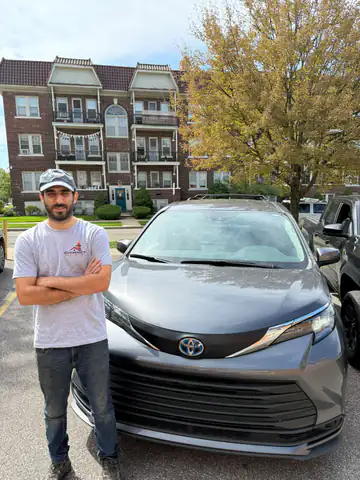
Manny
Owner
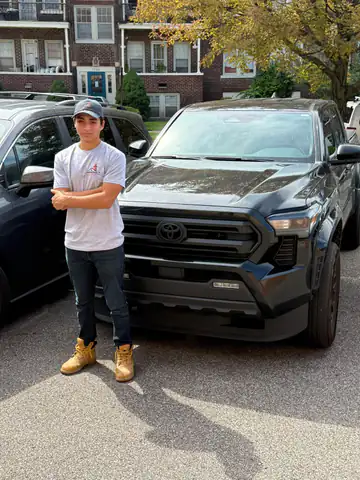
Zack
Manager

Myke
Technician
FAQ
Chimney Inspection in Westlake: questions we hear
Do factory-built fireplaces really need annual service like masonry ones?
Yes. The flue is metal instead of clay, but wood smoke deposits creosote on it just the same, and the refractory panels, chase cover, cap and storm collar all have inspection points of their own. The NFPA 211 annual-inspection recommendation covers factory-built systems explicitly rather than treating them as exempt.
How long does an inspection take?
A single flue with reasonable roof access is usually under two hours including the walkthrough. Multiple flues, difficult roofs, or an appliance that has to be disconnected extend it. The camera footage takes as long as it takes; rushing that part is how findings get missed.
Do I get anything in writing?
Yes — photographs of what we found with an explanation of each item and where it sits on the urgent-to-fine scale. That document is what makes a chimney conversation verifiable instead of something you have to take on trust, and it is what you hand to a buyer, a seller or an insurer if it ever comes to that.
Free estimate
Chimney Inspection in Westlake?
Tell us what you’re seeing and we’ll call or text back to schedule a look — with photos of what we find and an honest read on what’s urgent and what can wait. That evidence-first method is the way we work on every job.
Call and tell us what the chimney's doing — if we're up on a roof, we'll call you back. Other ways to reach us are on the contact page, and Westlake is one of the communities we cover across Greater Cleveland.
Call216-647-1882