
Cuyahoga County, Ohio
Chimney Services in Parma, OH
Postwar bungalows, Capes and ranches — sturdy single stacks with cracked struck-mortar crowns, one badly weathered face, and thousands of orphaned water-heater flues corroding after furnace upgrades.
Parma is Cleveland's largest suburb and most of it went up in the two decades after the Second World War: brick bungalows, Cape Cods and ranches built quickly and solidly along Ridge, State, Broadview and the streets that filled in between them. The chimneys of that era are usually a single sturdy stack serving the furnace, often with a modest fireplace flue alongside it.
Seventy years later those chimneys are hitting the same wall at roughly the same time, which is why Parma work has a distinct rhythm to it. Crowns poured as struck mortar in the 1950s are cracked through. Joints on the weather face have gone open. And the clay flues that carried decades of furnace exhaust have been chewed up from the inside by condensation.
The furnace-flue story is the one that matters most here, and it is the one almost nobody has been told about. It affects thousands of houses in this city specifically, because Parma's building era and its subsequent wave of high-efficiency furnace upgrades line up almost perfectly.
What goes wrong with chimneys in Parma
Orphaned water heater flues
The sequence is the same in house after house. The original furnace and the water heater both vented into the masonry chimney, and the flue was sized for the pair. The furnace gets replaced with a high-efficiency condensing unit that vents through white PVC out a side wall, and the water heater is left where it is. Now a small appliance is venting into a flue sized for a large one, so the exhaust never warms it, condenses on the way up, and the acidic condensate dissolves tile and mortar joints from the inside. If your furnace was upgraded and nobody looked at the chimney afterwards, this is your chimney.
Seventy-year-old crowns reaching the end together
Almost every crown on a 1950s Parma stack was struck flat out of leftover mortar the day the chimney was topped out, with no overhang past the brick and no gap around the flue tile. That assembly cracks, and once it does it channels water down into the top of the brickwork instead of shedding it. This is the single cheapest repair with the biggest downstream effect on a postwar stack, and it is the one most owners have never seen a photograph of.
Spalling concentrated on one face
On Parma's bungalows and ranches the damage is rarely even. The weather-facing side of the stack takes the driven rain and does the freeze-thaw work, so it is common to find one face shedding brick faces while the sheltered side looks nearly new. That asymmetry is useful diagnostically and it also means the repair is often smaller than it looks from the driveway — a reason to get it assessed rather than assume the worst.
What we do here
Every chimney service we cover in Parma
One crew for the whole system, so the diagnosis and the repair come from the same people. The pages marked for Parma go into what this suburb’s housing stock does to that particular job; the rest cover the work across our whole service area.
Chimney Sweep & Cleaning
Full mechanical sweep of the flue, smoke chamber and firebox — creosote out, dust contained, and a look at the whole system while we're in it.
Chimney Sweep in ParmaChimney Inspection
Camera inspection of the full flue, plus the firebox, damper, crown, cap and flashing — documented in photos, explained in plain language.
Chimney Inspection in ParmaChimney Repair & Rebuilds
Masonry repair from spot fixes to full stack rebuilds — spalled brick, failed joints, and chimneys the freeze-thaw cycle has taken apart.
Chimney Repair in ParmaChimney Liner & Relining
Stainless steel relining for flues with cracked tiles, gaps, or no liner at all — sized to your appliance, insulated, done once.
Chimney Relining in ParmaChimney Leak Repair & Waterproofing
Finding where the water actually gets in — crown, cap, flashing, masonry or condensation — and fixing that, not caulking symptoms.
Chimney Leak Repair in ParmaChimney Caps & Crown Repair
The two parts that protect everything below them — stainless caps fitted right, and crowns rebuilt to actually shed water.
Chimney Caps & Crown RepairTuckpointing & Repointing
Grinding out failed mortar joints and repacking them properly — matched in strength, color and profile, not smeared over the brick.
Tuckpointing & RepointingFireplace & Damper Repair
Fireboxes rebuilt, refractory panels replaced, dampers that open, close and seal — the room side of the system, done right.
Fireplace & Damper Repair
Not sure which of these you need? That is what an inspection is for — or see how the whole chimney fits together and the way we work.
Working with us
What every Parma job comes with
Evidence, not assertions
Photographs of every finding before you decide anything — including the parts of your chimney you have never seen.
Free estimates on repair work
Honest triage on what we find: urgent, plan-for, or fine.
One crew, whole system
One crew for the whole chimney — sweep, inspection, masonry, liner, crown, cap and flashing, with one person responsible for all of it.
Our work
The work Parma chimneys usually need
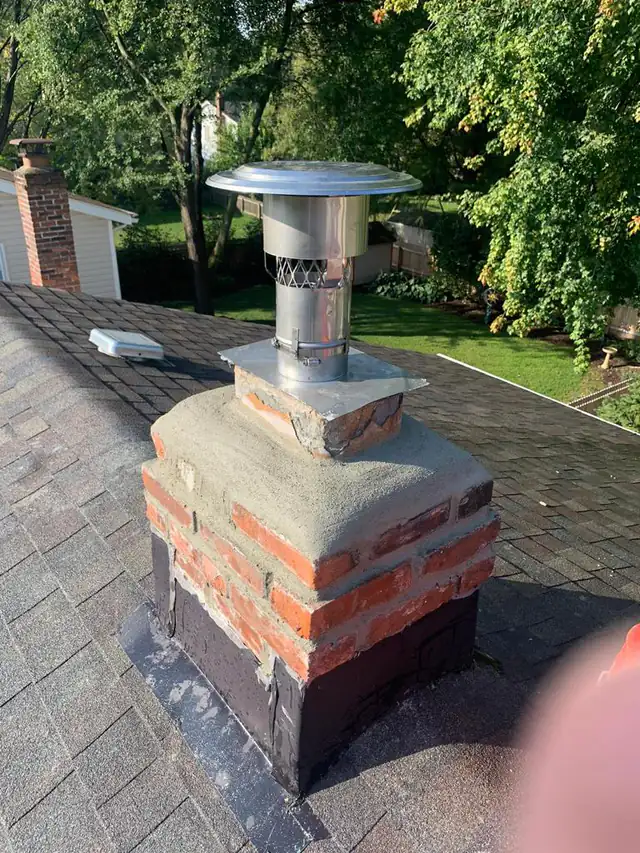
Stainless liner brought through a new crown, capped 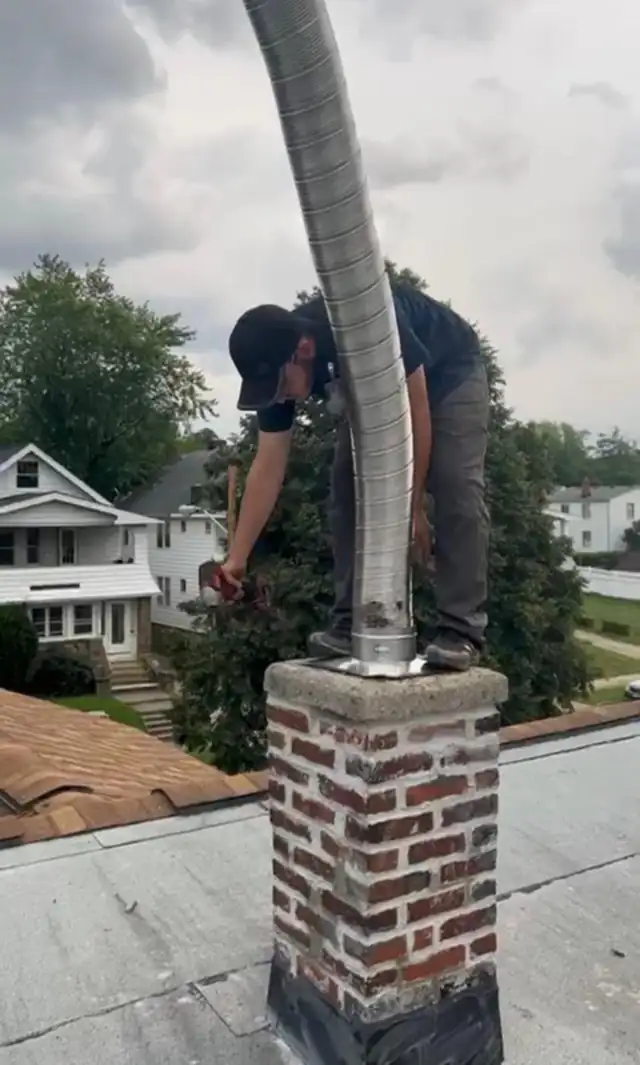
Feeding a new stainless liner down the flue 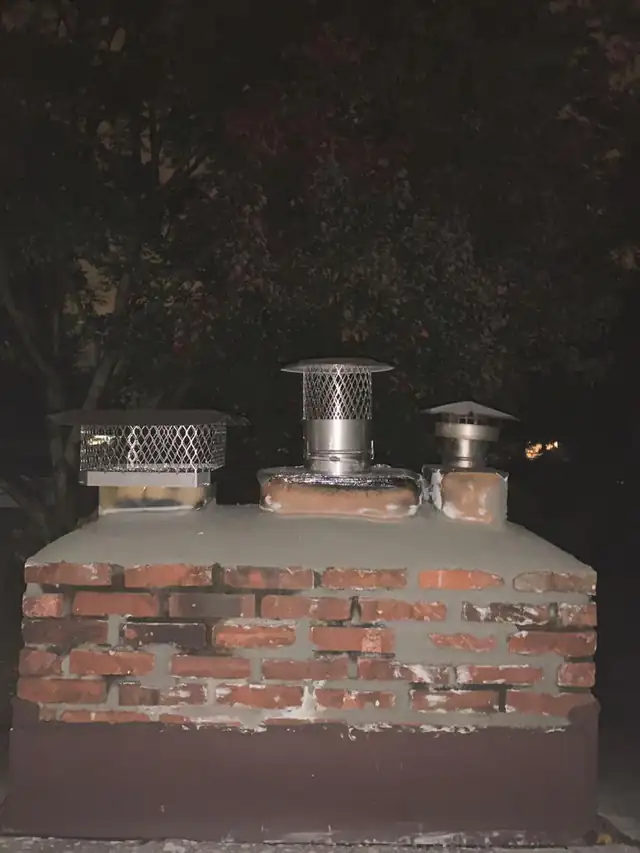
Three flues, three caps, one new crown
Meet the team
The people behind the work
Manny, Zack and Myke — meet the people behind Chimney Expert Solutions.
Our team and story →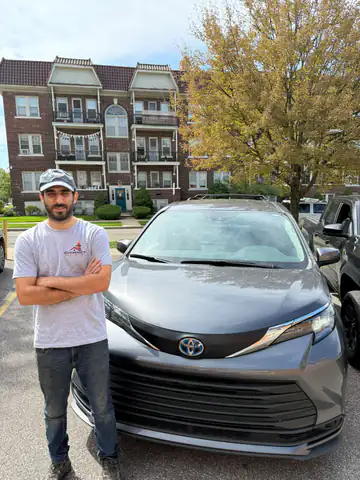
Manny
Owner
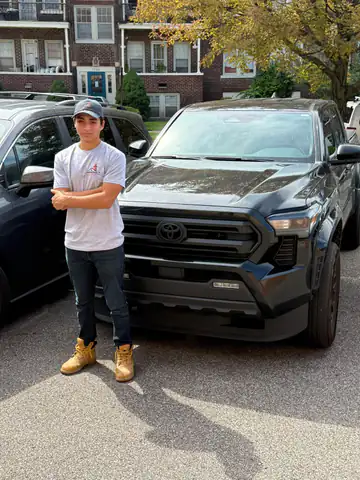
Zack
Manager
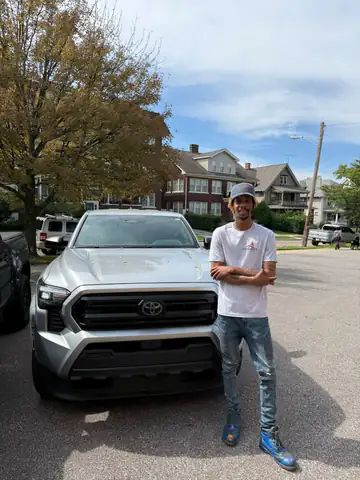
Myke
Technician
Service area
Parma is inside our service area
36 communities across Northeast Ohio · based in Cleveland Heights
- Cleveland
- Lakewood
- Cleveland Heights
- Shaker Heights
- Parma
- Rocky River
- Westlake
- Strongsville
- Euclid
- South Euclid
- University Heights
- Beachwood
- Bedford
- Garfield Heights
- North Olmsted
- Mentor
- Willoughby
- Painesville
- Chardon
- Elyria
- Lorain
- Avon Lake
- Medina
- Brunswick
- Akron
- Cuyahoga Falls
- Hudson
- Kent
- Canton
- Wooster
- Warren
- Youngstown
- Boardman
- Sandusky
- Mansfield
- Ashland
FAQ
Parma chimney questions
How do I know if I have an orphaned water heater flue?
Look at how the furnace vents. If it goes out through white plastic pipe in a side wall rather than up the chimney, the chimney is now serving the water heater alone. The confirming signs are rust or scaling on the vent connector and draft hood, dampness or white crusty deposits at the base of the chimney, and tile fragments in the clean-out. The fix is a correctly sized metal liner matched to the appliance.
Our stack is shedding brick chips onto the roof. How urgent is that?
It is spalling, which means water is in the masonry now and the freeze-thaw damage is active rather than historic. It is rarely an emergency this week. What it is, is a clock: every winter converts more of a repairable chimney into a rebuild. Get it assessed during the masonry season, which runs roughly April through November here, instead of after another round of freezes.
We never use the fireplace. Can we just cap the chimney and forget it?
Capping it is a good idea and forgetting it is not, especially if the water heater still vents into the same stack. Even a genuinely dead flue needs a cap and a sound crown, because an open flue funnels rain into the middle of the house and frost-damages the masonry above the roof. If anything still vents into that chimney, it needs more than a cap.
Do postwar chimneys need relining as often as older ones?
Different reason, similar frequency. Pre-war chimneys get relined because the flue was never lined or the tile has cracked from heat. Postwar utility flues get relined because they are the wrong size for what now vents into them and the condensate has eaten them. On Parma's housing stock, the second reason is by far the more common one.
Free estimate
Chimney trouble in Parma?
Tell us what you're seeing and we'll call or text back to schedule a look — with photos of what we find and an honest read on what's urgent and what can wait.
Call and tell us what the chimney's doing — if we're up on a roof, we'll call you back. You can also reach us on the contact page, or look through the other communities we serve if you are calling about a second property.
Call216-647-1882