
Ashland County, Ohio
Chimney Services in Ashland, OH
A small county seat and the farms around it, heated by propane and wood rather than a gas main — old unlined stove flues carrying modern appliances, and oversized masonry chimneys throttling efficient stoves.
Ashland is a small county seat with a walkable center, a university, and farm country in every direction. Between the town and the townships around it, the housing runs from nineteenth-century brick and frame houses near the center out to farmhouses that have been added to four or five times over a century and a half.
What connects the work here is that heat does not come from a gas main for a great many of these properties. It comes from propane in a tank in the yard, from wood cut on the property, or from a combination of both, sometimes with an old oil system still in place as a backstop. That changes what a chimney is doing and it changes what the right answer looks like.
It also means we meet a lot of chimneys that were never built for the appliance now attached to them. An 1890 farmhouse stack was built for a stove burning wood or coal at a fairly leisurely rate. A modern stove, a propane furnace or a high-efficiency anything is a completely different proposition, and the mismatch between old flue and new appliance is the single most common thing we correct out here.
What goes wrong with chimneys in Ashland
A modern stove venting into an old oversized flue
This is the classic farmhouse situation. A masonry chimney built for an open stove or a coal furnace has a large flue, and a modern airtight stove built to current emissions standards produces far less exhaust at a much lower temperature. Put the two together and the flue never warms up: the smoke slows in the oversized passage, cools, and lays down creosote heavily; the stove drafts poorly and is hard to light and hard to keep going; and the owner concludes the stove is the problem when it is the chimney it is attached to. The fix is a stainless liner sized to the stove's outlet, insulated for its full height, and it usually transforms how the appliance behaves as well as how it deposits.
Stove flues asked to serve modern equipment
A great many chimneys in this housing were built as stove flues rather than fireplace flues — narrow, unlined brick shafts with thimbles for stovepipe connections, and no lining of any kind. When a modern furnace or boiler goes in, someone connects it to the flue that is already there because it is already there. But an unlined nineteenth-century shaft has nothing between combustion gases and the wall structure except mortar joints that are usually open by now, and it is generally the wrong size besides. Establishing what the flue actually is — its dimensions, whether it is lined, where its openings are — should come before the appliance is connected, not after.
Propane, and why the venting is not interchangeable
Propane appliances are common out here and they are not simply natural-gas appliances that run on a different supply. The equipment is set up for a different fuel with different combustion characteristics, and the venting requirements come from the appliance's own instructions rather than from a general rule. Two things matter practically: propane is heavier than air, so a leak settles low rather than rising and dispersing, which changes where a detector belongs; and appliances that were converted between fuels at some point need to have been converted properly, including the vent arrangement. When we inspect an installation like this we want to see the appliance's label and follow what it specifies rather than assume.
What we do here
Every chimney service we cover in Ashland
One crew for the whole system, so the diagnosis and the repair come from the same people. The pages marked for Ashland go into what this suburb’s housing stock does to that particular job; the rest cover the work across our whole service area.
Chimney Sweep & Cleaning
Full mechanical sweep of the flue, smoke chamber and firebox — creosote out, dust contained, and a look at the whole system while we're in it.
Chimney Sweep & CleaningChimney Inspection
Camera inspection of the full flue, plus the firebox, damper, crown, cap and flashing — documented in photos, explained in plain language.
Chimney InspectionChimney Repair & Rebuilds
Masonry repair from spot fixes to full stack rebuilds — spalled brick, failed joints, and chimneys the freeze-thaw cycle has taken apart.
Chimney Repair & RebuildsChimney Liner & Relining
Stainless steel relining for flues with cracked tiles, gaps, or no liner at all — sized to your appliance, insulated, done once.
Chimney Liner & ReliningChimney Leak Repair & Waterproofing
Finding where the water actually gets in — crown, cap, flashing, masonry or condensation — and fixing that, not caulking symptoms.
Chimney Leak Repair & WaterproofingChimney Caps & Crown Repair
The two parts that protect everything below them — stainless caps fitted right, and crowns rebuilt to actually shed water.
Chimney Caps & Crown RepairTuckpointing & Repointing
Grinding out failed mortar joints and repacking them properly — matched in strength, color and profile, not smeared over the brick.
Tuckpointing & RepointingFireplace & Damper Repair
Fireboxes rebuilt, refractory panels replaced, dampers that open, close and seal — the room side of the system, done right.
Fireplace & Damper Repair
Not sure which of these you need? That is what an inspection is for — or see how the whole chimney fits together and the way we work.
Working with us
What every Ashland job comes with
Evidence, not assertions
Photographs of every finding before you decide anything — including the parts of your chimney you have never seen.
Free estimates on repair work
Honest triage on what we find: urgent, plan-for, or fine.
One crew, whole system
One crew for the whole chimney — sweep, inspection, masonry, liner, crown, cap and flashing, with one person responsible for all of it.
Our work
The work Ashland chimneys usually need
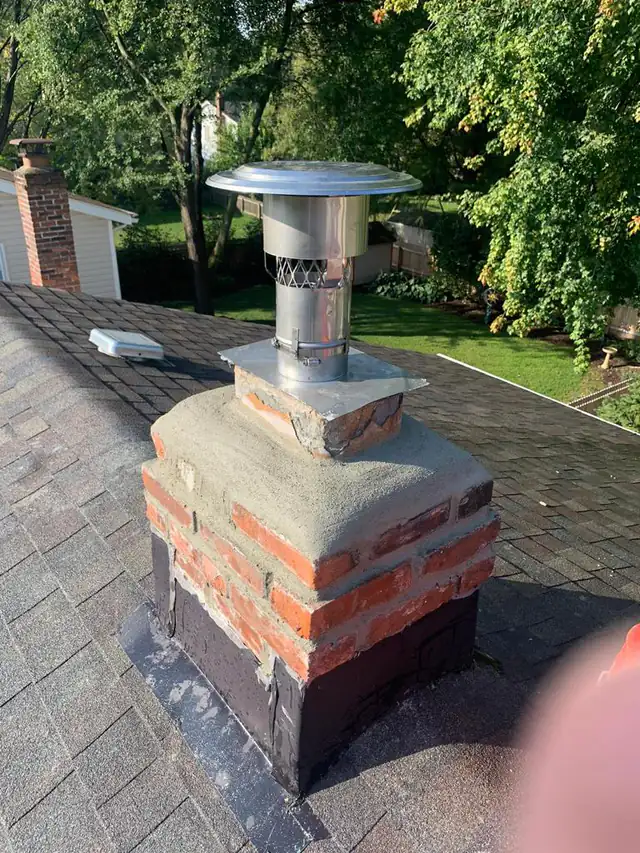
Stainless liner brought through a new crown, capped 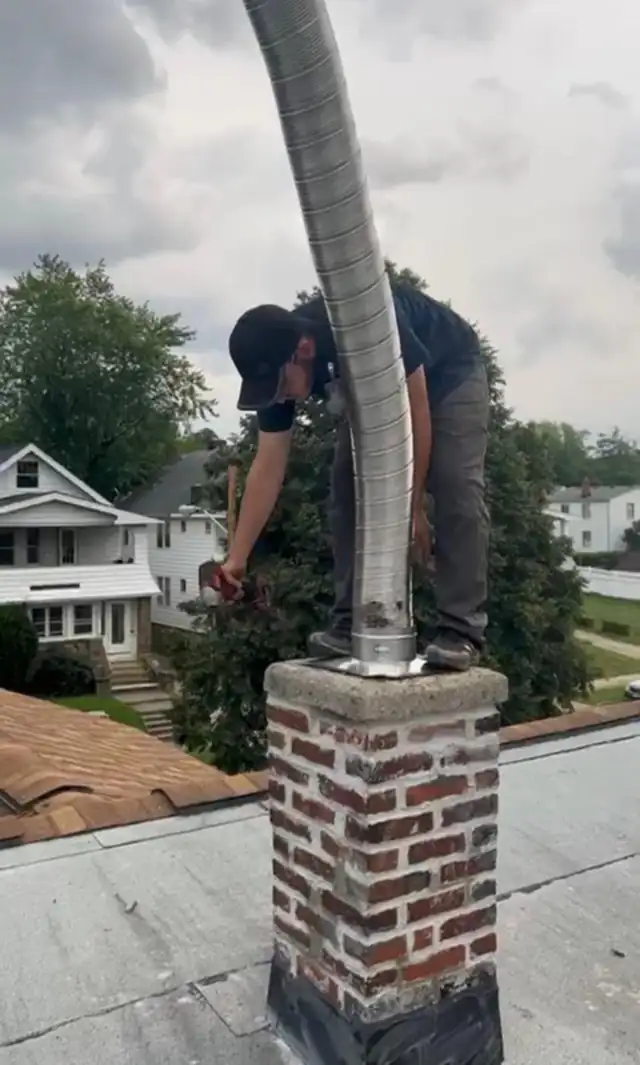
Feeding a new stainless liner down the flue 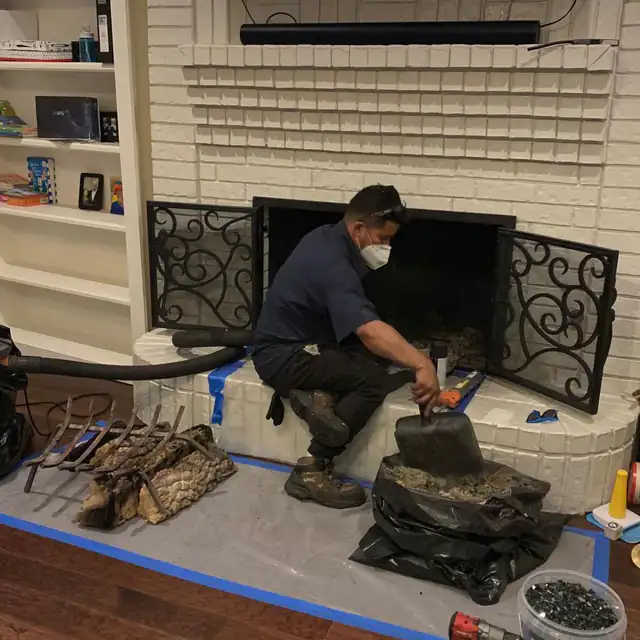
Drop cloths down and a vacuum on the hearth before anything is opened
Meet the team
The people behind the work
Manny, Zack and Myke — meet the people behind Chimney Expert Solutions.
Our team and story →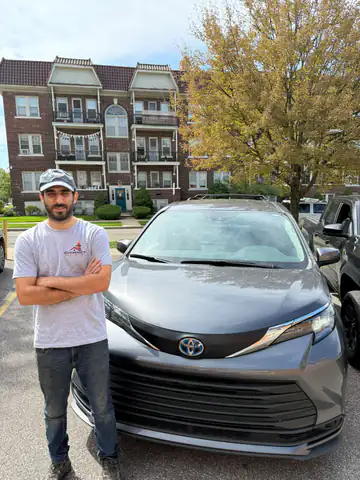
Manny
Owner
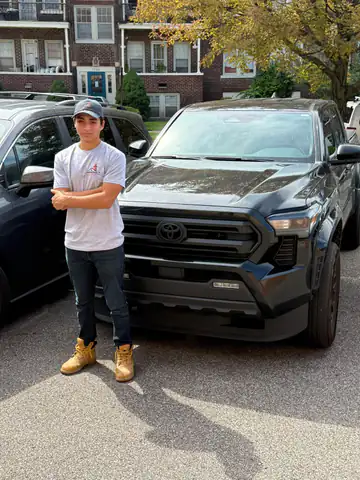
Zack
Manager
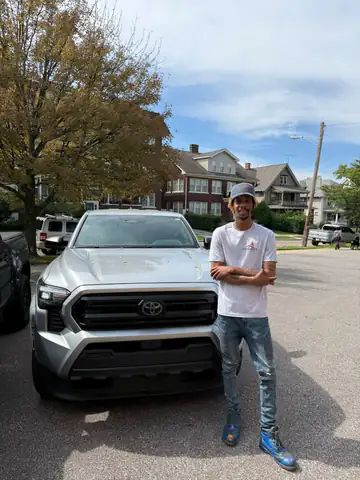
Myke
Technician
Service area
Ashland is inside our service area
36 communities across Northeast Ohio · based in Cleveland Heights
- Cleveland
- Lakewood
- Cleveland Heights
- Shaker Heights
- Parma
- Rocky River
- Westlake
- Strongsville
- Euclid
- South Euclid
- University Heights
- Beachwood
- Bedford
- Garfield Heights
- North Olmsted
- Mentor
- Willoughby
- Painesville
- Chardon
- Elyria
- Lorain
- Avon Lake
- Medina
- Brunswick
- Akron
- Cuyahoga Falls
- Hudson
- Kent
- Canton
- Wooster
- Warren
- Youngstown
- Boardman
- Sandusky
- Mansfield
- Ashland
FAQ
Ashland chimney questions
Our wood stove is hard to light and gets dirty fast. Is it a bad stove?
More often it is a bad match between the stove and the chimney. A modern stove produces less exhaust at a lower temperature than the flue it is connected to was built for, so in a big old masonry chimney the smoke slows, cools and deposits instead of rising. An insulated stainless liner sized to the stove's outlet usually changes how it lights, how it holds a fire and how much it deposits, all at once.
The chimney in our farmhouse has no fireplace. What was it for?
Almost certainly stoves. Nineteenth-century houses were heated and cooked on with stoves connected by pipe into narrow unlined flues, with round openings in the walls where those pipes went in. Those openings are often still there behind plaster, and the flue itself is usually unlined. It is worth establishing exactly what you have before connecting anything modern to it.
We heat with propane. Is that different for the chimney?
The venting comes from the appliance's own instructions rather than a general rule, so we work from the label rather than an assumption — particularly on any appliance that was converted between fuels at some point. One practical difference worth knowing: propane is heavier than air, so a leak collects low rather than rising, which affects where a detector should be placed.
Do you come out to the townships or only into town?
Both, though this is the far edge of the area we cover, so it is scheduled with lead time and we would rather do everything on a property in one visit than make two trips. If there are outbuilding stoves or a second chimney, mention them when you call so the visit is planned for the whole job.
Free estimate
Chimney trouble in Ashland?
Tell us what you're seeing and we'll call or text back to schedule a look — with photos of what we find and an honest read on what's urgent and what can wait.
Call and tell us what the chimney's doing — if we're up on a roof, we'll call you back. You can also reach us on the contact page, or look through the other communities we serve if you are calling about a second property.
Call216-647-1882