
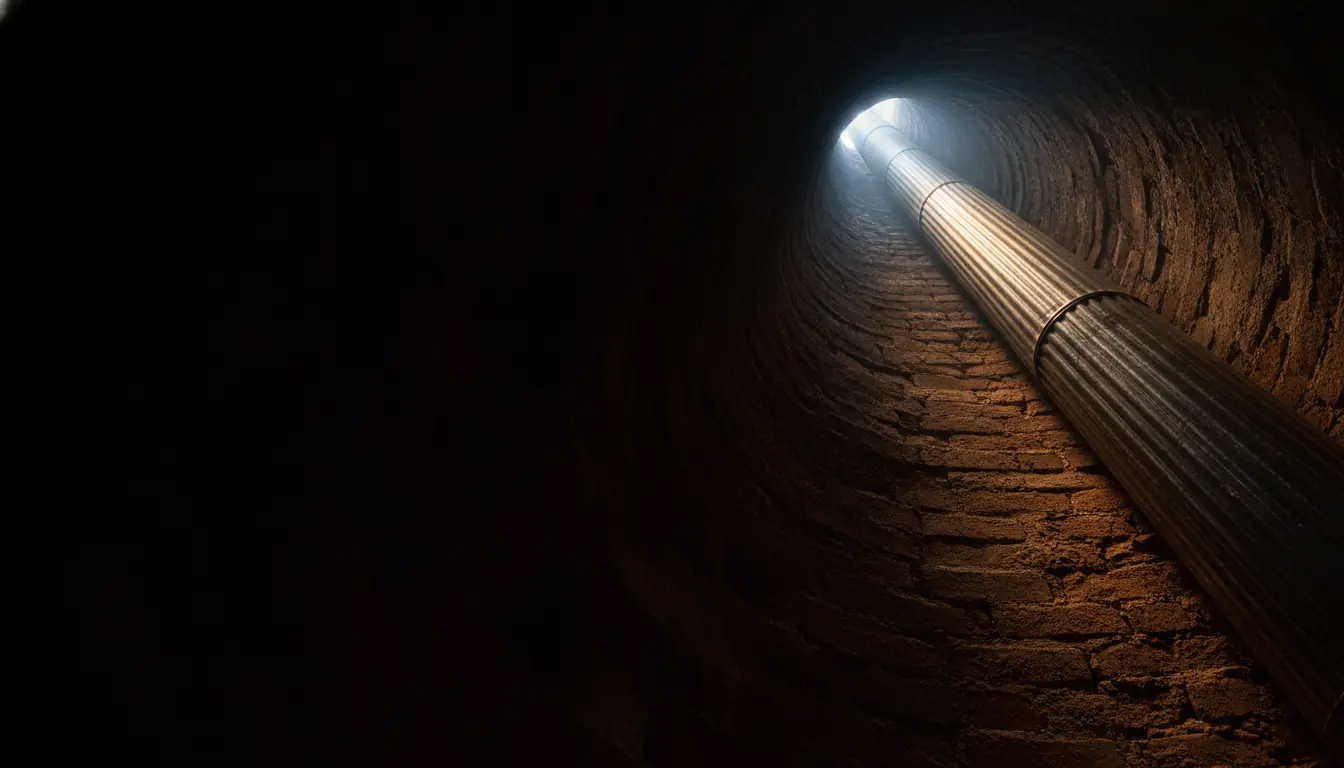
Greater Cleveland
Fireplace & Damper Repair in Cleveland, OH
Fireboxes rebuilt, refractory panels replaced, dampers that open, close and seal — the room side of the system, done right.
The firebox works harder than any other masonry in the house: direct flame, extreme temperature swings, and through a Cleveland winter, a daily cycle from cold soak to full fire. Its firebrick and refractory joints fail the same way the top of the chimney does, only faster. Joints open, brick cracks, and in factory-built fireplaces the refractory panels crack through. Gaps in a firebox are not cosmetic. They are paths for heat to reach the framing behind the fireplace, which is why cracked panels and open joints mean repair before the next fire rather than keep an eye on it.
The damper is the other half of the room side, and it is where most of the wasted money is. A damper rusted open sends heated air up the flue all winter. One rusted shut makes the fireplace unusable. A warped one manages both. And if the fireplace smokes into the room, that is a diagnosable problem with a short list of causes, not a permanent feature of the house. Chronic smoking has a short list of causes, and each one of them has a known fix.
The firebox
A masonry firebox is built from firebrick laid in refractory mortar, both of which are engineered to take direct flame. Ordinary brick and ordinary mortar are not, and a firebox repaired with general-purpose mix fails within a season or two. What we look for is joints that have opened past roughly a quarter inch, firebrick that has cracked through rather than crazed on the surface, and any place where you can see through to something that is not firebrick.
Factory-built fireplaces work differently. The firebox is a steel shell lined with molded refractory panels, and those panels are a wear item with a service life. A cracked panel is a defined defect with a defined fix: replacement with the panel specified for that make and model. Filling a cracked refractory panel with furnace cement is a repair you see constantly and it is not a repair, because the panel's job is to hold a specific thickness of insulating material between the fire and the steel.
Dampers
The original throat damper on an older masonry fireplace is a cast iron plate seated in the masonry just above the firebox. Even when new, they are not tight — they were designed to control draft, not to seal. After sixty or eighty years of heat cycling, soot and moisture, they warp, rust, and seat badly enough that closing them accomplishes very little. In a house with a heating bill, a permanently open eight-by-thirty-six-inch hole to the outside is not a trivial thing.
The fix depends on condition. A damper that is stiff but sound can often be freed, cleaned, re-seated and made to work properly again. A damper that has warped or rusted past that gets a top-sealing damper instead: a gasketed plate mounted at the top of the flue, opened and closed by a cable that runs down to the firebox. It seals far better than any throat damper ever did, and it doubles as a rain cap and an animal barrier while it is closed. On an older Cleveland fireplace that gets occasional use, it is one of the more sensible upgrades available.
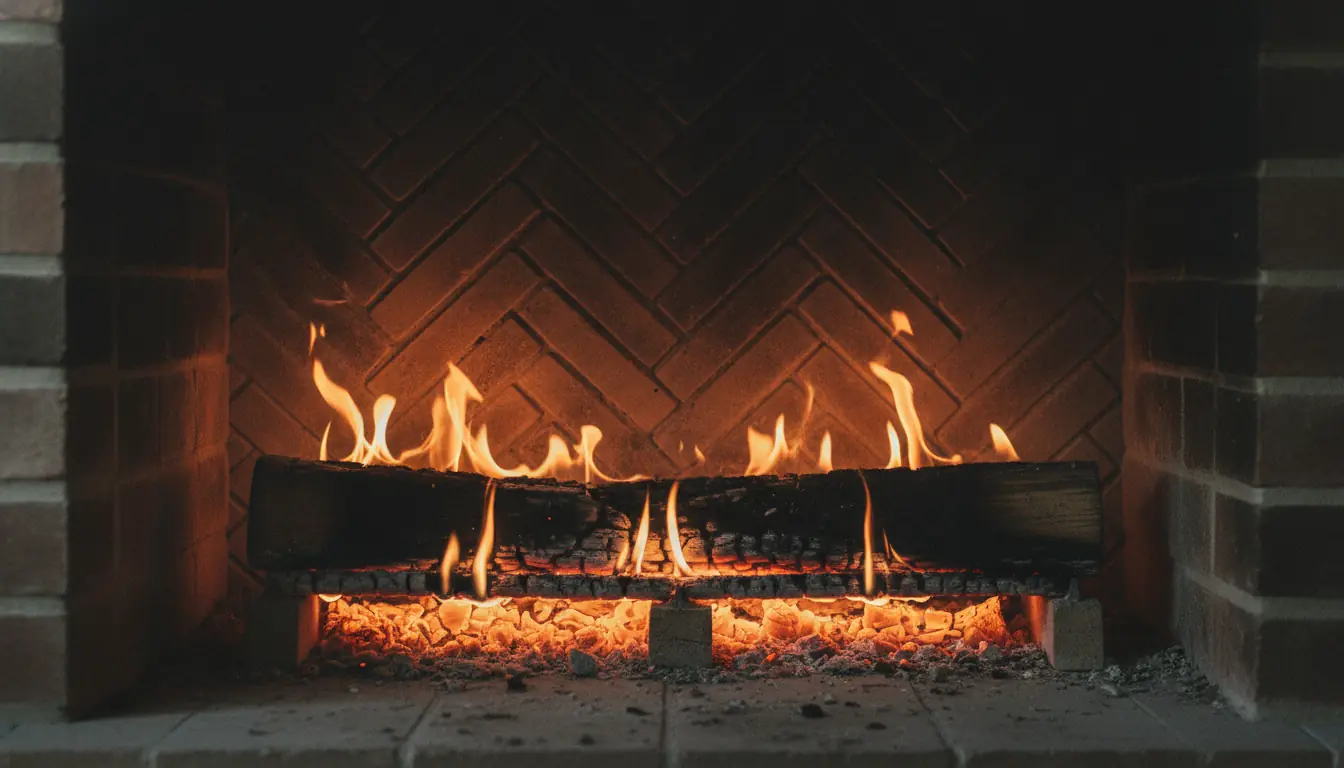
Why a fireplace smokes into the room
Smoking is a draft problem, and draft is just the pressure difference between the flue and the room. When smoke comes into the room, one of a short list of things is wrong, and diagnosis is a matter of working through them rather than guessing.
A cold flue at startup
The most common cause and the easiest to fix. A chimney on an exterior wall in a Cleveland January is full of cold, dense air that does not want to move. Until the flue warms, the column is going the wrong way. Priming the flue with a rolled newspaper torch held up at the damper for a minute before lighting solves the majority of startup smoking, and it costs nothing.
Flue and opening mismatch
If the fireplace opening is too large for the flue serving it, the flue cannot handle the volume and the surplus spills into the room. This is common after a conversion or an alteration, and it is one of the few smoking problems whose fix is structural: either reduce the effective opening with a smoke guard or a raised hearth, or reline to the correct size.
The house has no makeup air
A fire needs a great deal of air, and a modern tightened house does not want to give it up. A kitchen range hood, a bathroom fan, a basement furnace or a dryer running can pull the house negative enough to reverse a marginal chimney. If your fireplace smokes only when the range hood is on, that is not a chimney fault, and cracking a window on the same side of the house is often the whole answer.
A badly built or obstructed smoke chamber
The smoke chamber above the damper is supposed to funnel smoothly up to the flue. In a lot of older fireplaces it is rough corbelled brick with steps and shelves that cause turbulence and restrict flow. Parging that chamber smooth with refractory mortar is a genuine fix that restores draft and it is invisible when it is done.
Height and termination
A chimney that does not extend far enough above the roof, or that is overtopped by a nearby roof, dormer or a mature tree, sits in turbulent air and can be pushed backwards by wind. The general rule is that the chimney should top out at least three feet above the point where it passes through the roof and at least two feet above anything within ten feet of it.
What drives the cost
- Repointing a firebox versus rebuilding one. A firebox rebuild is a full day or more of skilled work in a confined space.
- Masonry or factory-built. Refractory panels are a purchased part specific to the model, and identifying the model is the first job.
- Damper approach. Freeing and re-seating an original throat damper is a modest job; a top-sealing damper is a part plus roof work.
- Whether the diagnosis of a smoking fireplace points at a free fix, a smoke guard, chamber parging, or a reline. These are wildly different scopes and it is worth knowing which before agreeing to anything.
- Access to the appliance. An insert that has to come out and go back in is real labor on both ends.
Fireplace work we handle
- Firebox repointing with true refractory mortar — not general-purpose mix
- Firebrick replacement and full firebox rebuilds
- Refractory panel replacement in factory-built fireplaces
- Throat damper repair, and top-sealing damper installation
- Smoking-fireplace diagnosis: draft, sizing, makeup air, smoke chamber, termination
- Parging rough smoke chambers to restore proper flow
Our work
Fireplace & Damper Repair, photographed on the job
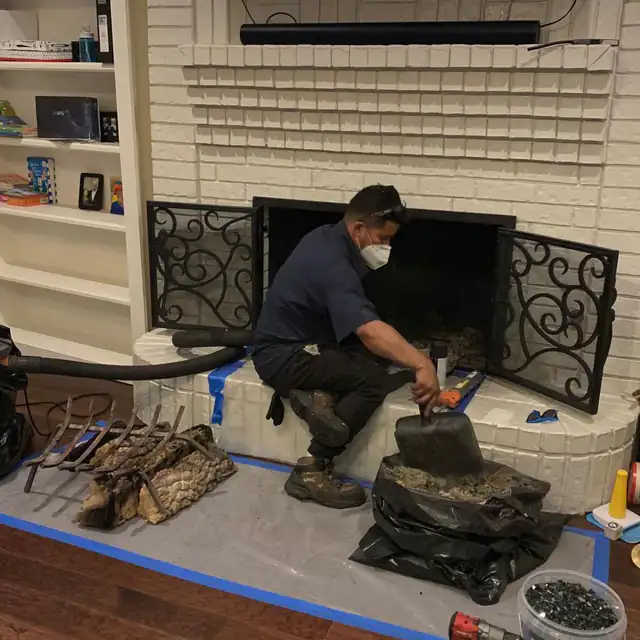
Drop cloths down and a vacuum on the hearth before anything is opened 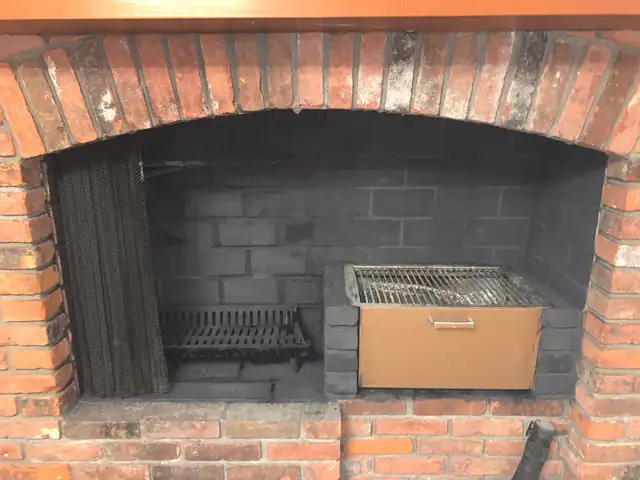
Firebox cleaned back to the brick, damper working 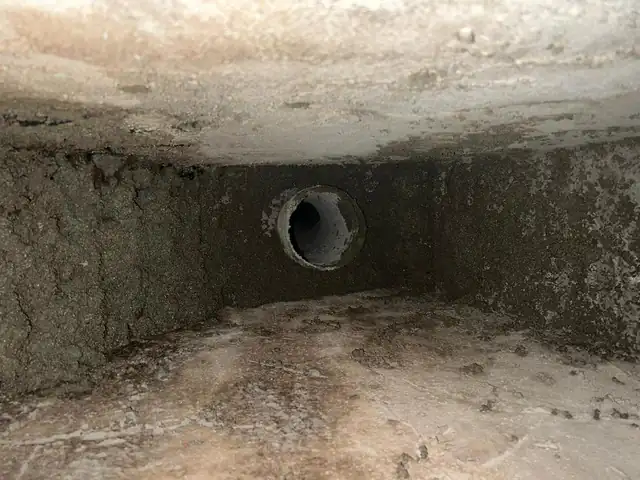
Inside the smoke chamber — the flue opening above the firebox 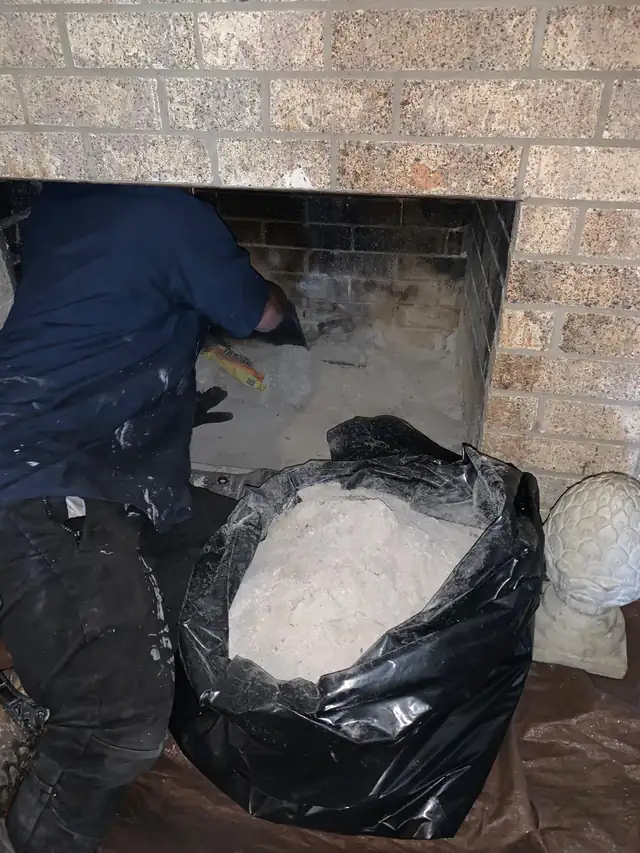
Clearing the firebox down to bare brick, floors covered
Meet the team
The people behind the work
Manny, Zack and Myke — meet the people behind Chimney Expert Solutions.
Our team and story →
Manny
Owner

Zack
Manager

Myke
Technician
FAQ
Fireplace & Damper Repair: questions we hear
Are hairline cracks in the firebox actually a problem?
Surface crazing on firebrick is normal and not a defect. A crack that holds a gap when the firebox is cold is different, because it will open further when hot and the material behind it was never meant to see flame. The practical rule: if you can catch a fingernail in it, or fit the edge of a coin, have it looked at before the next fire.
Our gas logs were installed in an old wood fireplace. Anything to know?
Two things. The damper often has to be clamped partly open on a vented gas log set, which means the fireplace is now a permanent hole in your heating envelope. And the flue is almost certainly oversized for the appliance, which means a cool flue and condensation working on whatever wood-era deposits are still in there. It is worth a camera look rather than an assumption.
Can a factory-built fireplace be rebuilt like a masonry one?
No, and this is an important distinction. A factory-built fireplace is a listed appliance, and it is safe because it was tested as an assembly. Parts get replaced with the parts specified for that model; it does not get rebuilt with masonry or repaired with improvised materials. When a model is old enough that panels are no longer available, the honest answer is replacement of the unit rather than a workaround.
How much heat am I really losing through an open damper?
Enough to notice. An unsealed throat damper is a permanent opening between the house and the outside, at the top of a room, where warm air wants to go anyway. Standing next to a cold fireplace on a windy Cleveland night is usually all the evidence anyone needs. Sealing it is one of the few chimney repairs that pays back in the heating bill.
Where we do this work
Fireplace & Damper Repair across Greater Cleveland
We handle this work in every community we cover. The rest of our Greater Cleveland service area is on the areas page.
- Cleveland
- Lakewood
- Cleveland Heights
- Shaker Heights
- Parma
- Rocky River
- Westlake
- Strongsville
- Euclid
- South Euclid
- University Heights
- Beachwood
- Bedford
- Garfield Heights
- North Olmsted
- Mentor
- Willoughby
- Painesville
- Chardon
- Elyria
- Lorain
- Avon Lake
- Medina
- Brunswick
- Akron
- Cuyahoga Falls
- Hudson
- Kent
- Canton
- Wooster
- Warren
- Youngstown
- Boardman
- Sandusky
- Mansfield
- Ashland
Free estimate
Get this looked at properly
Describe what you're seeing and we'll call or text back to schedule. Photos of what we find, honest triage, and a written scope before any work starts — that method is the whole of how we work.
Call and tell us what the chimney's doing — if we're up on a roof, we'll call you back. All the ways to reach us are on the contact page.
Call216-647-1882