

Wayne County, Ohio
Chimney Services in Wooster, OH
Substantial Victorian and Queen Anne brick in a farm-country county seat, where most of the damage came from abrasive cleaning, paint and sealers rather than from weather — plus neglected secondary rear-wing stacks.
Wooster is a Wayne County town of substantial nineteenth-century houses — the streets around the college and the older blocks off the square hold a lot of Queen Anne and late-Victorian work in brick — set in the middle of farm country. The masonry here is good, and most of the damage we are asked to repair was not done by the weather. It was done by well-meaning maintenance.
There is a particular vulnerability in old brick that almost nobody outside the trade knows about. When a brick is fired, the outer few millimeters vitrify into a hard, dense skin, and that skin is what makes the brick weather-resistant. The soft, porous body underneath is not. Anything that removes or seals that skin permanently changes the brick from a durable material into an absorbent one, and there is no way to put it back.
Three things do it, and all three were once recommended: abrasive cleaning, film-forming paints and sealers, and hard mortar. In a town with this much good nineteenth-century brick, the difference between a chimney that lasts another century and one that fails in fifteen years is very often just which of those was done to it in 1985.
What goes wrong with chimneys in Wooster
Sandblasted and pressure-washed brick
Abrasive cleaning was popular for decades as a way to make an old building look fresh, and on soft historic brick it is destructive in a way that is not obvious for years. Blasting media and high-pressure water strip off the fired skin along with the dirt, exposing the porous body underneath. That brick then absorbs several times as much water, so it spalls in freeze-thaw, erodes visibly in rain, and takes its mortar joints with it. If your chimney's brick looks uniformly matte and slightly rough, and the faces are pitting evenly rather than at specific spots, that history is likely. It cannot be reversed — it can only be managed, with correct soft mortar, good water management at the top, and sometimes a breathable repellent.
Painted and sealed chimneys
Masonry paint and film-forming sealers are the other half of the same problem, and they cause it from the opposite direction. Brick has to be able to dry outward. A film on the surface stops that, so water that gets in from the top, or from behind, or as vapor from inside, is trapped in the body of the brick. It then freezes there. The result is a chimney that looks tidy for a few years and then starts pushing paint off in sheets with the brick face still attached to it. If a repellent is genuinely warranted on sound masonry, it should be a vapor-permeable siloxane type that lets the wall breathe — never a coating, and never a substitute for repointing open joints.
The back-ell stack nobody thinks about
Houses of this era in this part of Ohio very often have a rear wing — a summer kitchen, a laundry, a back parlor — with its own secondary chimney, usually smaller, plainer and shorter than the main stack. It stopped being used decades ago when the summer kitchen became a mudroom, and it has been quietly deteriorating ever since: uncapped, taking rain straight down the flue, freezing wet all winter, and often with an old stove thimble still open into a room. It is generally the worst chimney on the property and the last one anyone looks at. Deciding whether to properly close it or properly maintain it is a small, cheap conversation to have before it becomes a masonry one.
What we do here
Every chimney service we cover in Wooster
One crew for the whole system, so the diagnosis and the repair come from the same people. The pages marked for Wooster go into what this suburb’s housing stock does to that particular job; the rest cover the work across our whole service area.
Chimney Sweep & Cleaning
Full mechanical sweep of the flue, smoke chamber and firebox — creosote out, dust contained, and a look at the whole system while we're in it.
Chimney Sweep & CleaningChimney Inspection
Camera inspection of the full flue, plus the firebox, damper, crown, cap and flashing — documented in photos, explained in plain language.
Chimney InspectionChimney Repair & Rebuilds
Masonry repair from spot fixes to full stack rebuilds — spalled brick, failed joints, and chimneys the freeze-thaw cycle has taken apart.
Chimney Repair & RebuildsChimney Liner & Relining
Stainless steel relining for flues with cracked tiles, gaps, or no liner at all — sized to your appliance, insulated, done once.
Chimney Liner & ReliningChimney Leak Repair & Waterproofing
Finding where the water actually gets in — crown, cap, flashing, masonry or condensation — and fixing that, not caulking symptoms.
Chimney Leak Repair & WaterproofingChimney Caps & Crown Repair
The two parts that protect everything below them — stainless caps fitted right, and crowns rebuilt to actually shed water.
Chimney Caps & Crown RepairTuckpointing & Repointing
Grinding out failed mortar joints and repacking them properly — matched in strength, color and profile, not smeared over the brick.
Tuckpointing & RepointingFireplace & Damper Repair
Fireboxes rebuilt, refractory panels replaced, dampers that open, close and seal — the room side of the system, done right.
Fireplace & Damper Repair
Not sure which of these you need? That is what an inspection is for — or see how the whole chimney fits together and the way we work.
Working with us
What every Wooster job comes with
Evidence, not assertions
Photographs of every finding before you decide anything — including the parts of your chimney you have never seen.
Free estimates on repair work
Honest triage on what we find: urgent, plan-for, or fine.
One crew, whole system
One crew for the whole chimney — sweep, inspection, masonry, liner, crown, cap and flashing, with one person responsible for all of it.
Our work
The work Wooster chimneys usually need
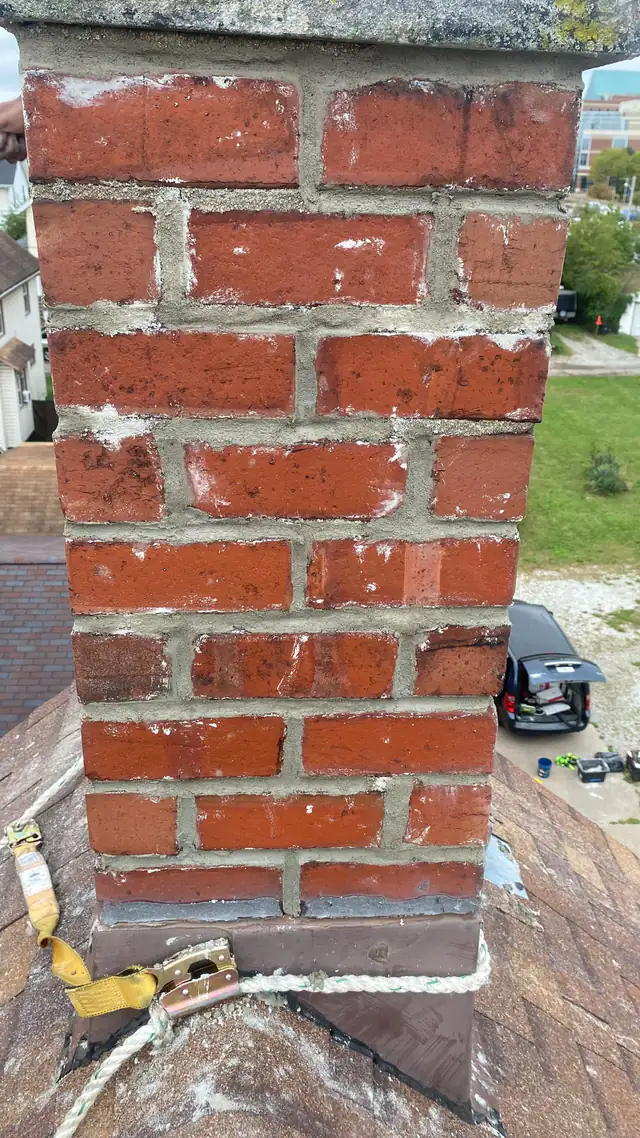
Roped in on a steep roof — repointed, flashing sealed 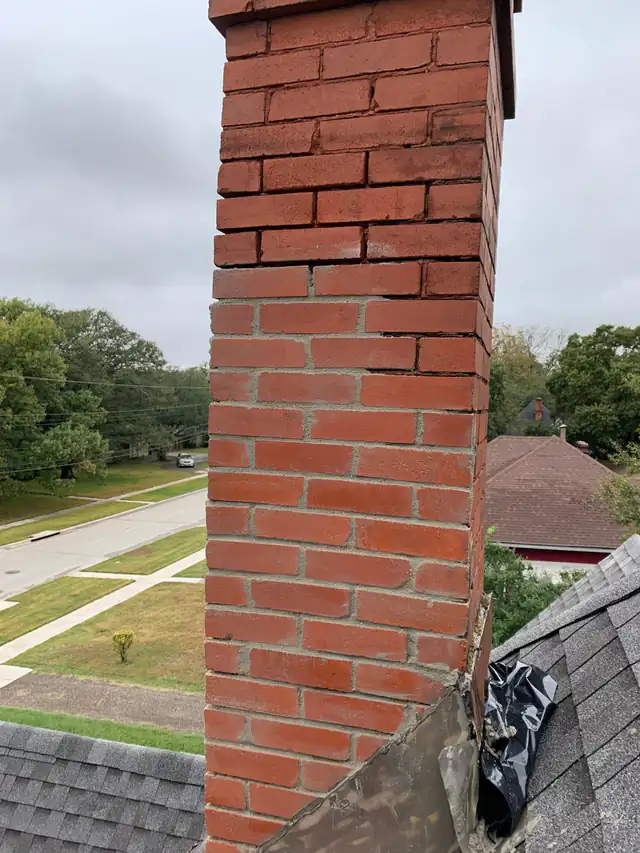
Mid-job — fresh joints below, the old eroded joints still waiting above 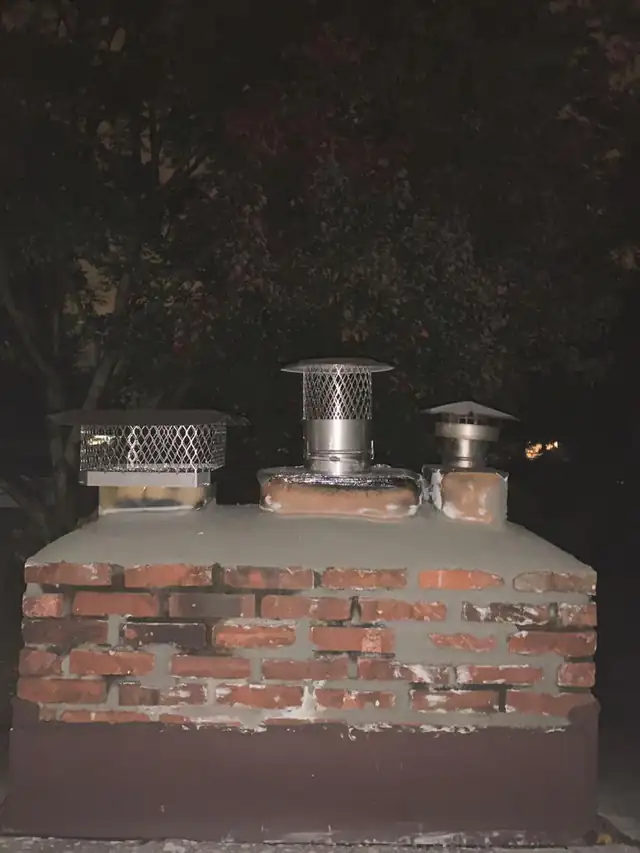
Three flues, three caps, one new crown
Meet the team
The people behind the work
Manny, Zack and Myke — meet the people behind Chimney Expert Solutions.
Our team and story →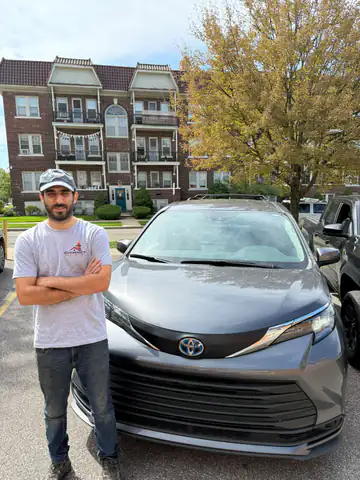
Manny
Owner
Zack
Manager

Myke
Technician
Service area
Wooster is inside our service area
36 communities across Northeast Ohio · based in Cleveland Heights
- Cleveland
- Lakewood
- Cleveland Heights
- Shaker Heights
- Parma
- Rocky River
- Westlake
- Strongsville
- Euclid
- South Euclid
- University Heights
- Beachwood
- Bedford
- Garfield Heights
- North Olmsted
- Mentor
- Willoughby
- Painesville
- Chardon
- Elyria
- Lorain
- Avon Lake
- Medina
- Brunswick
- Akron
- Cuyahoga Falls
- Hudson
- Kent
- Canton
- Wooster
- Warren
- Youngstown
- Boardman
- Sandusky
- Mansfield
- Ashland
FAQ
Wooster chimney questions
Our brick was sandblasted years ago. Can that be fixed?
Not reversed, honestly — the fired skin does not come back. What it can be is managed. That means repointing with a mortar softer than the brick rather than harder, getting the crown, cap and flashing right so the masonry takes as little water as possible, and in some cases a vapor-permeable repellent on sound brick. Managed well, blasted brick can last a long time; treated like ordinary brick, it will not.
Should we paint the chimney to protect it?
No. Paint and film-forming sealers trap water inside the brick instead of keeping it out, and in a freeze-thaw climate that is how brick faces pop off. If the masonry is sound and genuinely absorbing water, a vapor-permeable siloxane repellent is a reasonable measure. It is not a substitute for repointing open joints or replacing a failed crown, which are the actual openings.
There's a second smaller chimney on the back of the house. Does it need anything?
It usually needs more than the main one, because nobody has looked at it in fifty years. These rear-wing stacks are typically uncapped, taking rain straight down an unused flue, and they often still have an open stove connection into a room somewhere. The decision is whether to close it properly or maintain it properly — either is fine; leaving it as it is, is what costs money later.
How far out from Wooster do you work?
Into the surrounding county for the right job, and we would rather discuss the specifics on the phone than promise a radius. Wayne County is toward the edge of the area we cover, which mainly affects scheduling — it is worth batching everything you want done into one visit rather than spreading it across the season.
Free estimate
Chimney trouble in Wooster?
Tell us what you're seeing and we'll call or text back to schedule a look — with photos of what we find and an honest read on what's urgent and what can wait.
Call and tell us what the chimney's doing — if we're up on a roof, we'll call you back. You can also reach us on the contact page, or look through the other communities we serve if you are calling about a second property.
Call216-647-1882