
Cuyahoga County, Ohio
Chimney Repair & Rebuilds in Parma, OH
Masonry repair from spot fixes to full stack rebuilds — spalled brick, failed joints, and chimneys the freeze-thaw cycle has taken apart.
What chimney repair involves in Parma is set by the housing stock here: Postwar bungalows, Capes and ranches — sturdy single stacks with cracked struck-mortar crowns, one badly weathered face, and thousands of orphaned water-heater flues corroding after furnace upgrades.
Parma is Cleveland's largest suburb and most of it went up in the two decades after the Second World War: brick bungalows, Cape Cods and ranches built quickly and solidly along Ridge, State, Broadview and the streets that filled in between them. The chimneys of that era are usually a single sturdy stack serving the furnace, often with a modest fireplace flue alongside it.
Northeast Ohio is close to a worst case for exterior masonry. A Cleveland chimney runs through dozens of freeze-thaw cycles every winter: water finds a hairline crack or an open joint, freezes, expands by about nine percent, and levers the masonry apart a little more each time. Repeat that across eighty winters on the most weather-exposed brickwork the house owns, and you get the local pattern. Brick faces shed, mortar goes soft and sandy, top courses shift, and eventually a stack that was fine at the last home sale needs rebuilding.
What we find on Parma chimneys that leads to chimney repair
Spalling concentrated on one face
On Parma's bungalows and ranches the damage is rarely even. The weather-facing side of the stack takes the driven rain and does the freeze-thaw work, so it is common to find one face shedding brick faces while the sheltered side looks nearly new. That asymmetry is useful diagnostically and it also means the repair is often smaller than it looks from the driveway — a reason to get it assessed rather than assume the worst.
Seventy-year-old crowns reaching the end together
Almost every crown on a 1950s Parma stack was struck flat out of leftover mortar the day the chimney was topped out, with no overhang past the brick and no gap around the flue tile. That assembly cracks, and once it does it channels water down into the top of the brickwork instead of shedding it. This is the single cheapest repair with the biggest downstream effect on a postwar stack, and it is the one most owners have never seen a photograph of.
Orphaned water heater flues
The sequence is the same in house after house. The original furnace and the water heater both vented into the masonry chimney, and the flue was sized for the pair. The furnace gets replaced with a high-efficiency condensing unit that vents through white PVC out a side wall, and the water heater is left where it is. Now a small appliance is venting into a flue sized for a large one, so the exhaust never warms it, condenses on the way up, and the acidic condensate dissolves tile and mortar joints from the inside. If your furnace was upgraded and nobody looked at the chimney afterwards, this is your chimney.
How freeze-thaw takes a chimney apart
Brick and mortar are porous. They take on water in a rain and give it back in dry weather, and in a normal climate that is fine. The problem is what happens when the water is still in there and the temperature crosses freezing. Ice occupies more space than the water it came from, so every wet freeze pushes outward from inside the pore structure. One cycle does nothing measurable. A few thousand cycles reduce the face of a brick to something that flakes off in sheets.
Greater Cleveland is unusually good at generating those cycles. Lake-effect weather keeps masonry wet for long stretches, and our winters swing across the freeze line repeatedly rather than settling below it. That combination — wet masonry and frequent crossings — is worse for brick than a colder, drier winter would be.
The chimney gets the worst of it for structural reasons. It is exposed on all four sides instead of one, it has no roof over it except its own crown, it sits at the highest and windiest point of the house, and it is the one masonry element that also has hot gas running through the middle of it. Chimneys fail first, and they fail from the top down.
What a rebuild actually involves
Protecting the house first
Roof protection under the work area, the flue capped or sealed so debris does not fall down into the firebox and through the house, and a plan for getting brick and rubble down that does not involve the roof surface. On a slate or tile roof this part is most of the planning.
Down to sound masonry
The stack comes down course by course to a level where the brick and joints are genuinely sound, not to a level that was decided from the ground. Existing brick is salvaged where it is worth salvaging, and the flue tiles get evaluated as they are exposed — a rebuild is the one moment when replacing damaged tile is straightforward, and skipping that step because it was not in the original quote is a mistake you live with.
Rebuilding
New masonry laid with mortar matched to the original in strength and appearance, joints tooled to the same profile, and any original detailing reproduced. Flue tiles set with proper joints. Where the design calls for it, corbelling and decorative courses get rebuilt rather than simplified away.
The parts that make it last
A rebuild finishes with a proper cast crown with a drip edge and an expansion joint at the flue, a stainless cap on every flue, and flashing sorted at the roofline. A rebuild under a bad crown or with old failed flashing is money spent on a chimney that will start deteriorating again immediately. We treat those three as part of the scope, not as upsells at the end.
This page covers chimney repair as it plays out in Parma. The full chimney repair & rebuilds page walks the whole job — every stage, what changes the scope, and what we do about each of them. For everything else we handle in this suburb, see chimney services in Parma.
Repair and rebuild work we take on
- Spalled and cracked brick replacement, matched to the existing brick
- Partial rebuilds from the roofline or shoulder up
- Full chimney rebuilds where the stack is beyond saving
- Crown replacement as part of any rebuild — a rebuild under a bad crown is wasted money
- Flue tile replacement while the stack is open, where it is warranted
- Firebox masonry and refractory panel repair
- Written scope with photos before, during and after the work
Our work
Chimney Repair & Rebuilds, photographed on the job
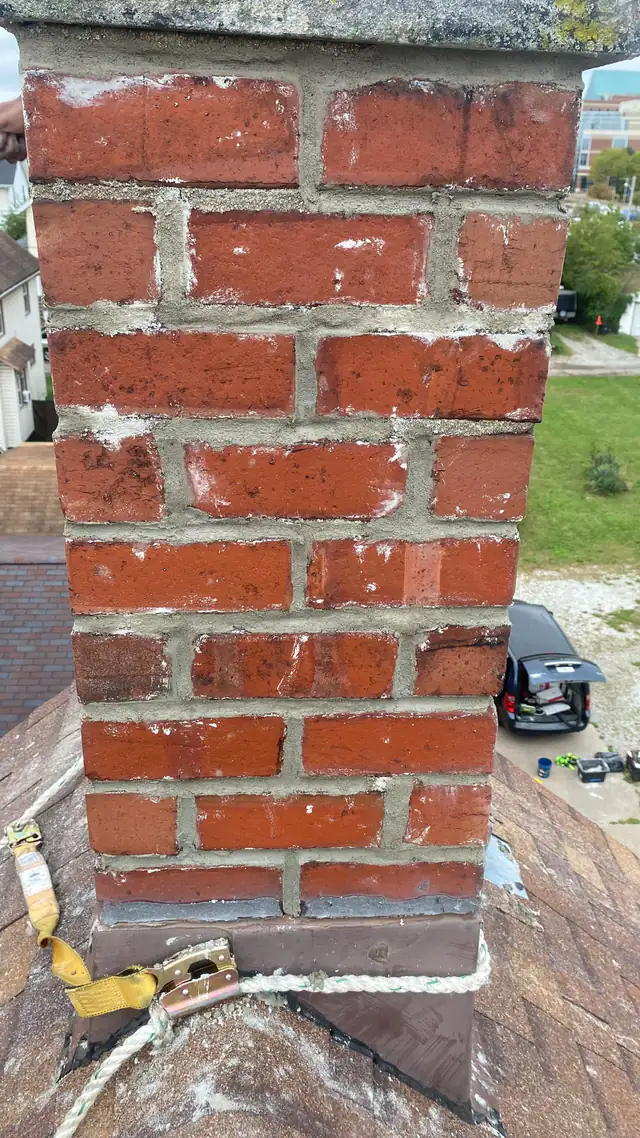
Roped in on a steep roof — repointed, flashing sealed 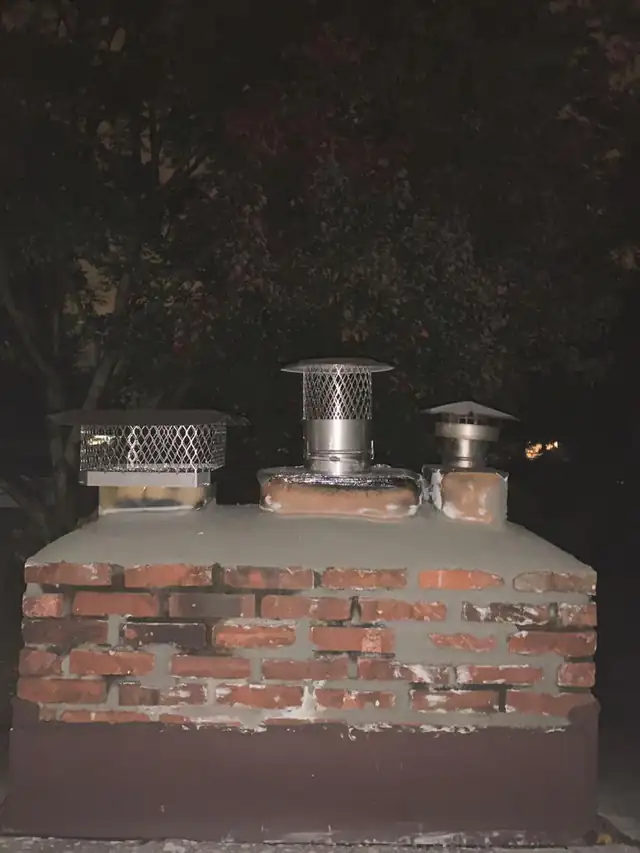
Three flues, three caps, one new crown 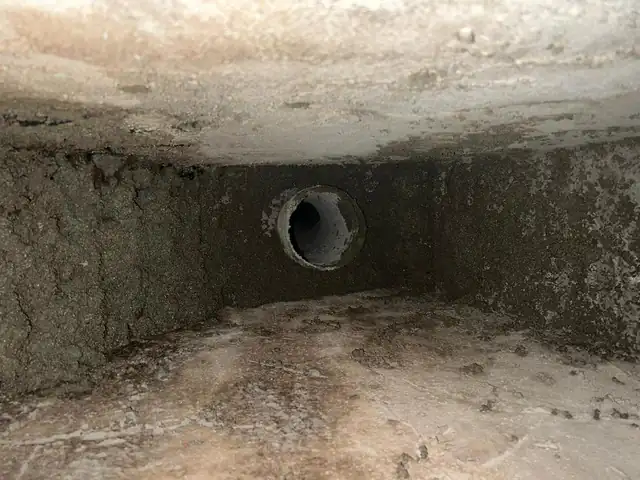
Inside the smoke chamber — the flue opening above the firebox 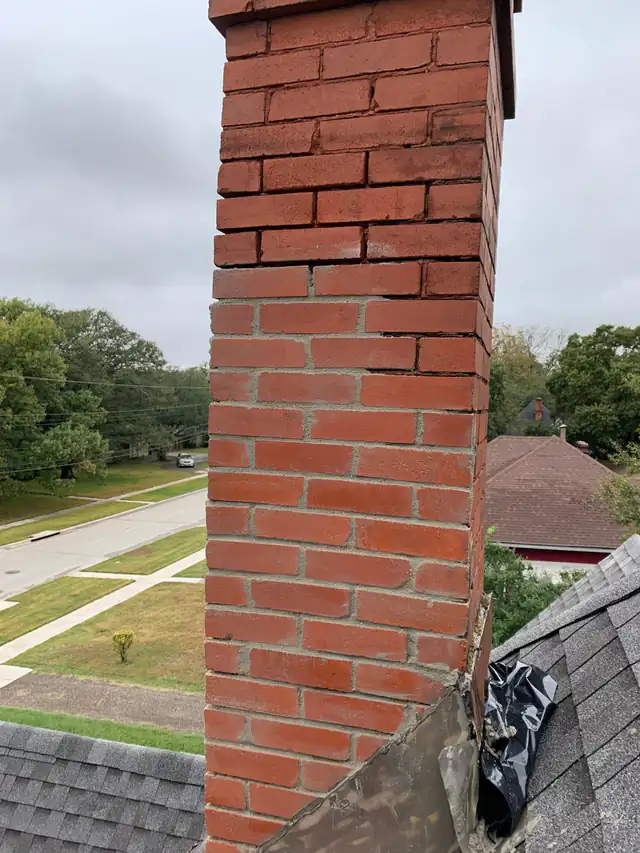
Mid-job — fresh joints below, the old eroded joints still waiting above 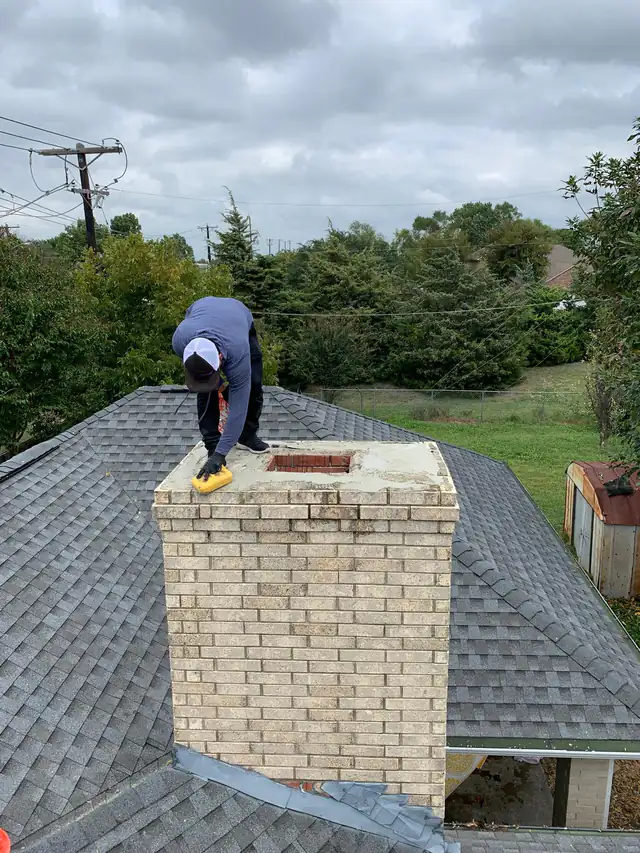
Finishing a fresh crown around the flue 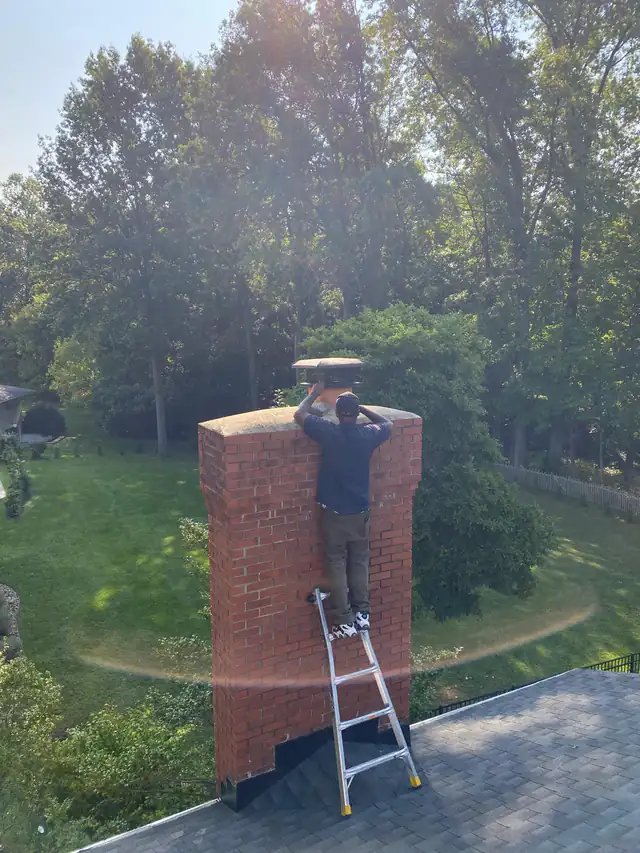
Ladder work on a tall stack — fitting the cap
Meet the team
The people behind the work
Manny, Zack and Myke — meet the people behind Chimney Expert Solutions.
Our team and story →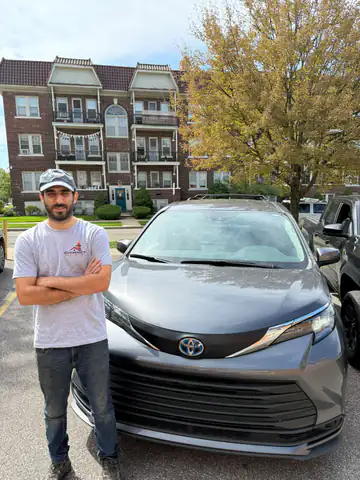
Manny
Owner
Zack
Manager

Myke
Technician
FAQ
Chimney Repair in Parma: questions we hear
Our stack is shedding brick chips onto the roof. How urgent is that?
It is spalling, which means water is in the masonry now and the freeze-thaw damage is active rather than historic. It is rarely an emergency this week. What it is, is a clock: every winter converts more of a repairable chimney into a rebuild. Get it assessed during the masonry season, which runs roughly April through November here, instead of after another round of freezes.
We never use the fireplace. Can we just cap the chimney and forget it?
Capping it is a good idea and forgetting it is not, especially if the water heater still vents into the same stack. Even a genuinely dead flue needs a cap and a sound crown, because an open flue funnels rain into the middle of the house and frost-damages the masonry above the roof. If anything still vents into that chimney, it needs more than a cap.
Is a chimney rebuild covered by homeowners insurance?
Long-term deterioration from weather is normally treated as maintenance and is not covered, while sudden events like a lightning strike, a storm or a chimney fire often are. That is a conversation with your carrier, not with us, but the photo documentation we produce is exactly the evidence that conversation needs — which is another reason we photograph before, during and after.
Can we still use the fireplace while the chimney is being rebuilt?
No — the flue is open at the top and the stack is partly dismantled. If the chimney also serves a furnace or water heater, that has to be planned around before the work starts, and it is one of the first things we check on a quote visit. Nobody should discover mid-rebuild that the water heater has nowhere to vent.
Free estimate
Chimney Repair in Parma?
Tell us what you’re seeing and we’ll call or text back to schedule a look — with photos of what we find and an honest read on what’s urgent and what can wait. That evidence-first method is the way we work on every job.
Call and tell us what the chimney's doing — if we're up on a roof, we'll call you back. Other ways to reach us are on the contact page, and Parma is one of the communities we cover across Greater Cleveland.
Call216-647-1882