
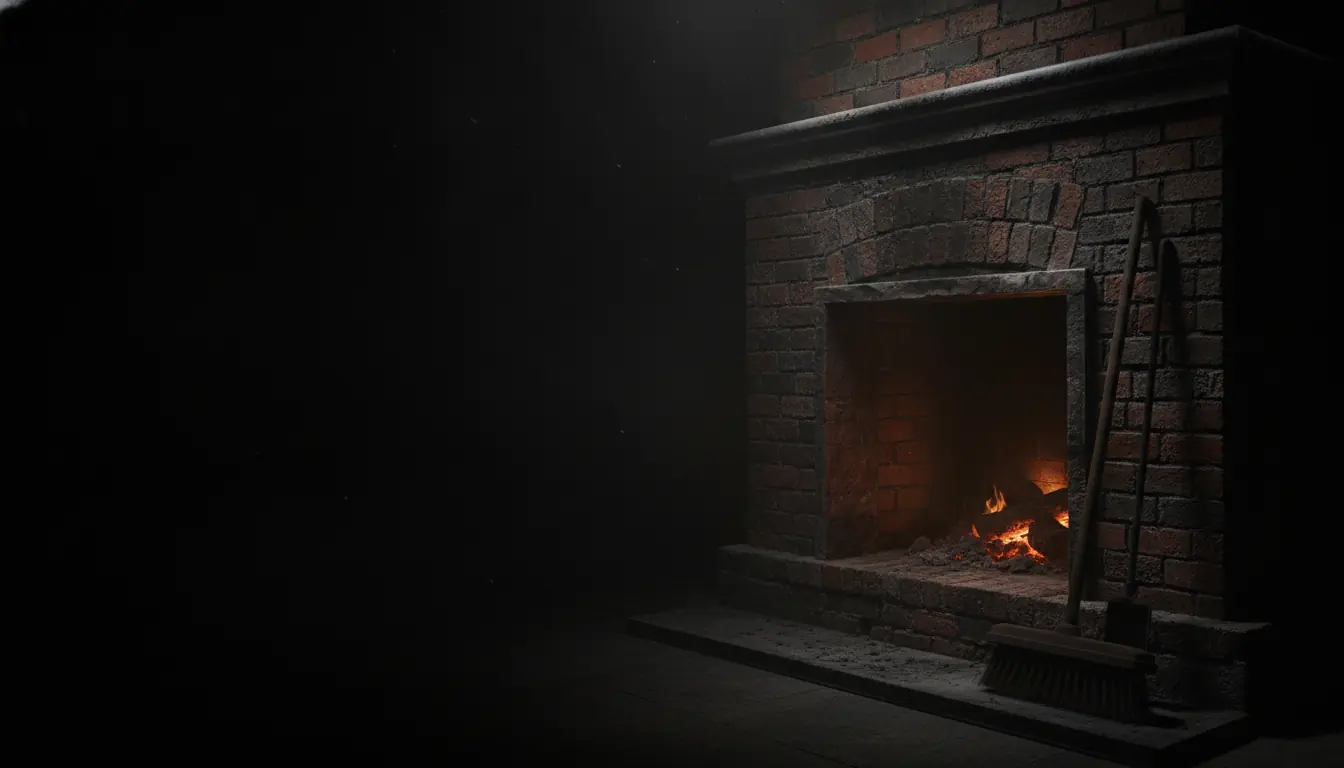
Cuyahoga County, Ohio
Chimney Inspection in Euclid, OH
Camera inspection of the full flue, plus the firebox, damper, crown, cap and flashing — documented in photos, explained in plain language.
What chimney inspection involves in Euclid is set by the housing stock here: Snow-belt lake exposure on mixed-age stock — early-century streets with soft brick and unlined flues, postwar bungalows with failing crowns, and abandoned flues left open after heating conversions.
Euclid runs along Lake Erie on Cleveland's east side, and its housing comes in two distinct waves. There are early-century streets near the older core and the Lakeshore Boulevard corridor, and there are broad postwar neighborhoods of brick bungalows and Capes filling the numbered streets inland toward the East 200th Street area. Both are well built. Both take east-side lake weather straight on.
You cannot see the part of the chimney that matters most. From the ground a stack can look perfectly sound while the flue tiles inside are cracked, shifted, or missing their mortar joints entirely. A compromised flue is exactly how heat and combustion gases reach the wood framing that surrounds every masonry chimney, and there is no version of that story with a good ending. An inspection puts a camera up the full length of the flue and eyes on every accessible part of the system, and gives you the photographs rather than just a verdict.
What we find on Euclid chimneys that leads to chimney inspection
Snow-belt freeze-thaw load
Water expands by roughly nine percent when it freezes, and every wet freeze levers masonry apart a fraction more. Euclid's lake-effect position delivers more of those cycles per winter than the inland suburbs see, and it keeps the masonry wet for longer stretches between them so there is less drying time. That is why an open joint or a hairline crown crack progresses noticeably faster here, and why skipping an inspection year costs more on this side of the county.
Abandoned flues left open at the top
Euclid's postwar stock has been through several generations of heating equipment, and every conversion tends to leave a flue behind. An abandoned flue with no cap is a funnel pointed at the middle of the house: it collects rain and snow, delivers it into the stack, and lets frost do its work on the masonry above the roof with nothing venting through to dry it. Capping a dead flue and keeping a sound crown over it is a small job that prevents a genuinely expensive one.
What happens during the visit
From the roof
The top of the chimney is where the damage starts and where almost no homeowner has ever looked. We photograph the crown, the cap or its absence, the top courses of brick, the flue tile terminations and the flashing at the roofline. Half the findings on a typical Cleveland inspection come from this single vantage point, and most owners have never seen a picture of it.
The camera scan
A camera on a rod or a cable is run the full length of each flue, and the footage gets watched, not skimmed. What it resolves is joint condition: whether the mortar between clay tiles is intact, whether tiles have cracked, spalled, shifted or dropped, whether there is a gap where a section has failed, and whether anything is obstructing the passage. On a stack with several flues, each one is scanned separately, because they age independently.
The room side
Firebox brick and joints, refractory panels if the fireplace is factory-built, damper condition and operation, smoke chamber shape and surface, hearth extension, and the clearance between the chimney and combustible framing wherever it can be seen. If there is an appliance connected, the connection itself gets checked, because improvised adapters and unsupported connector pipe are common and dangerous findings.
The report
Photographs of what we found, in plain language, with every finding sorted into one of three buckets: do not burn until this is fixed, plan this repair, this is fine. That ranking is the useful part. Anyone can produce a list of defects; the value is in an honest read of which ones actually change what you should do this winter.
Buying or selling a house in Greater Cleveland
This is some of the highest-value work in the trade and it is chronically skipped. A general home inspection explicitly excludes the flue interior. The inspector looks at the visible exterior, maybe puts a light past the damper, and writes a line about the chimney. That line is not an assessment of the thing that costs money.
The housing stock here makes it worse. Across Cleveland, Lakewood, Cleveland Heights, Shaker Heights and Euclid, a large share of houses predate 1940, which means unlined chimneys and clay flues that have taken eighty-plus winters. A camera scan inside your inspection contingency window turns an invisible five-figure problem into either a negotiating position or genuine peace of mind. If you are selling, the same scan removes the ambiguity a buyer would otherwise use against you, and it is cheap relative to what a late-stage surprise does to a deal.
If your city runs a point-of-sale inspection, the chimney may come up separately in that process. Confirm the current requirements with the municipality — they vary from suburb to suburb and they change.
This page covers chimney inspection as it plays out in Euclid. The full chimney inspection page walks the whole job — every stage, what changes the scope, and what we do about each of them. For everything else we handle in this suburb, see chimney services in Euclid.
What an inspection covers
- Camera scan of the full flue interior — every tile joint, documented
- Firebox, damper, smoke chamber and appliance connection condition
- Crown, cap, and the top courses of masonry photographed from the roof
- Flashing and the roofline intersection — the most common leak path
- Exterior masonry: spalling brick, open mortar joints, efflorescence
- A photo report with findings ranked: urgent, plan-for, fine
Meet the team
The people behind the work
Manny, Zack and Myke — meet the people behind Chimney Expert Solutions.
Our team and story →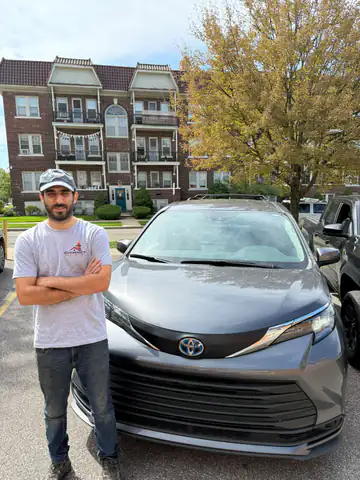
Manny
Owner
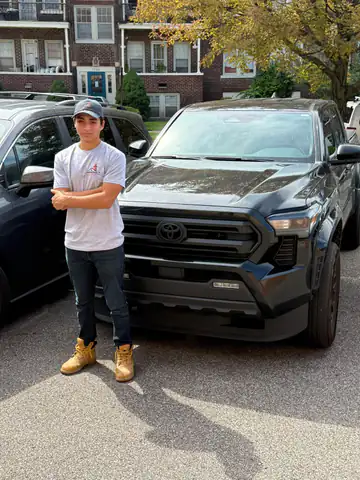
Zack
Manager

Myke
Technician
FAQ
Chimney Inspection in Euclid: questions we hear
Our postwar chimney only served the old furnace. Can we ignore it?
Not entirely. If genuinely nothing vents into it anymore, it still needs a cap and a sound crown — an open abandoned flue funnels water into the middle of the house and frost-damages the stack above the roof. If the water heater still uses it, it needs considerably more than that, because a single small appliance on an oversized flue is the classic condensation and corrosion situation.
Can chimney work be done here in the winter?
Inspections, sweeps, caps and most interior work, yes. Anything involving mortar or a concrete crown recast cannot, because it needs sustained temperatures above roughly 40°F to cure and mortar that freezes before it sets never reaches full strength. On a winter finding we will usually do what limits the water now and book the permanent masonry repair for spring.
Can you inspect a chimney in winter?
Usually yes, and the inspection itself is not weather-dependent the way masonry work is. Snow, ice and steep roofs can push the roof-level portion, and anything we find that needs mortar will have to wait for temperatures above roughly 40°F. Finding it in January still beats finding it in an emergency.
The furnace flue has never been inspected. Is that a real risk?
It is the most under-inspected chimney in the average Cleveland house. Utility flues fail silently: acidic exhaust condensate eats clay tile and mortar from the inside, tile shards drop and restrict the passage, and the failure mode is carbon monoxide rather than a fire you would notice. If the furnace or water heater was replaced in the last decade and nobody evaluated the chimney, that is worth a scan on its own.
Free estimate
Chimney Inspection in Euclid?
Tell us what you’re seeing and we’ll call or text back to schedule a look — with photos of what we find and an honest read on what’s urgent and what can wait. That evidence-first method is the way we work on every job.
Call and tell us what the chimney's doing — if we're up on a roof, we'll call you back. Other ways to reach us are on the contact page, and Euclid is one of the communities we cover across Greater Cleveland.
Call216-647-1882