
Cuyahoga County, Ohio
Chimney Inspection in University Heights, OH
Camera inspection of the full flue, plus the firebox, damper, crown, cap and flashing — documented in photos, explained in plain language.
What chimney inspection involves in University Heights is set by the housing stock here: Tightly packed brick and frame colonials from a compressed build window around 1930 — matching builder details that are reaching the end of their service life on the same schedule, and a long history of surface patching.
University Heights is small, dense and unusually uniform. Most of it was platted and built in a compressed window either side of 1930, filled in after the war, and laid out on narrow lots along Silsby, Miramar, Warrensville Center and the streets running off Cedar and Fairmount, with John Carroll University in the middle of it. The houses are mostly two-story brick and frame colonials of a very consistent size and plan.
You cannot see the part of the chimney that matters most. From the ground a stack can look perfectly sound while the flue tiles inside are cracked, shifted, or missing their mortar joints entirely. A compromised flue is exactly how heat and combustion gases reach the wood framing that surrounds every masonry chimney, and there is no version of that story with a good ending. An inspection puts a camera up the full length of the flue and eyes on every accessible part of the system, and gives you the photographs rather than just a verdict.
What we find on University Heights chimneys that leads to chimney inspection
One builder, one detail, one failure down the whole street
The chimneys on a University Heights street were built to the same drawing by the same crews in the same season, which means their corbelled tops, crown thicknesses and flue sizes match. Nine decades later they are failing in step. If your neighbor's stack is shedding brick at the top three courses, yours is very likely two or three winters behind it rather than immune. That is genuinely useful — it makes the inspection predictive instead of purely reactive — but it also means a repair here should address the detail that failed, not just the bricks that fell.
Overlay crowns troweled on top of the old one
The most common bad repair we find in this city is a bag of ready-mix troweled over a cracked crown and feathered out to the brick edges. It looks solved for about two seasons. An overlay has nothing to bond into except a surface that is already failing, it has no overhang past the brick and no expansion gap around the flue tile, and it is usually thicker at the middle than the edges so it cracks along the same lines the original did. Water then gets under it and stays there, which is worse than the crack it covered. A crown that lasts gets the old one removed, is cast with a drip edge past the brick, and is isolated from the flue tile with a flexible joint.
Buying or selling a house in Greater Cleveland
This is some of the highest-value work in the trade and it is chronically skipped. A general home inspection explicitly excludes the flue interior. The inspector looks at the visible exterior, maybe puts a light past the damper, and writes a line about the chimney. That line is not an assessment of the thing that costs money.
The housing stock here makes it worse. Across Cleveland, Lakewood, Cleveland Heights, Shaker Heights and Euclid, a large share of houses predate 1940, which means unlined chimneys and clay flues that have taken eighty-plus winters. A camera scan inside your inspection contingency window turns an invisible five-figure problem into either a negotiating position or genuine peace of mind. If you are selling, the same scan removes the ambiguity a buyer would otherwise use against you, and it is cheap relative to what a late-stage surprise does to a deal.
If your city runs a point-of-sale inspection, the chimney may come up separately in that process. Confirm the current requirements with the municipality — they vary from suburb to suburb and they change.
What drives the cost of an inspection
- The level. A visual check and a full camera scan are not the same visit.
- How many flues. A three-flue Cleveland Heights stack is three separate scans and three separate assessments.
- Roof access and pitch. Slate, tile, steep pitches and three-story stacks need staging or roof ladders and take longer to work safely.
- Whether the flue needs sweeping first. A camera cannot see through creosote — on a heavily loaded flue, the sweep has to happen before the scan is meaningful, which is why the two are usually booked together.
- Whether an appliance has to be disconnected to see the connection and the base of the flue.
- Documentation depth. A scan for your own information and a photo report you are handing to a buyer's agent are different amounts of work.
This page covers chimney inspection as it plays out in University Heights. The full chimney inspection page walks the whole job — every stage, what changes the scope, and what we do about each of them. For everything else we handle in this suburb, see chimney services in University Heights.
What an inspection covers
- Camera scan of the full flue interior — every tile joint, documented
- Firebox, damper, smoke chamber and appliance connection condition
- Crown, cap, and the top courses of masonry photographed from the roof
- Flashing and the roofline intersection — the most common leak path
- Exterior masonry: spalling brick, open mortar joints, efflorescence
- A photo report with findings ranked: urgent, plan-for, fine
Meet the team
The people behind the work
Manny, Zack and Myke — meet the people behind Chimney Expert Solutions.
Our team and story →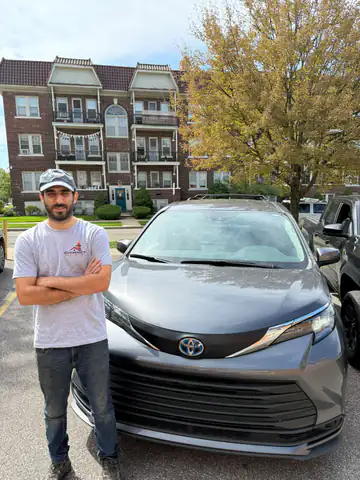
Manny
Owner
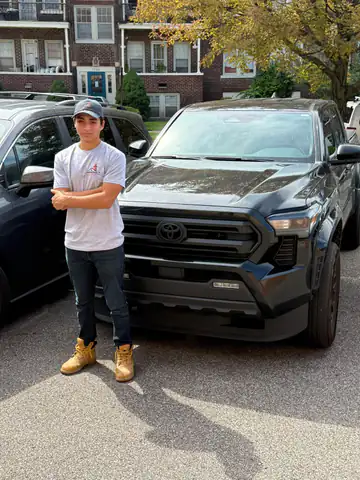
Zack
Manager
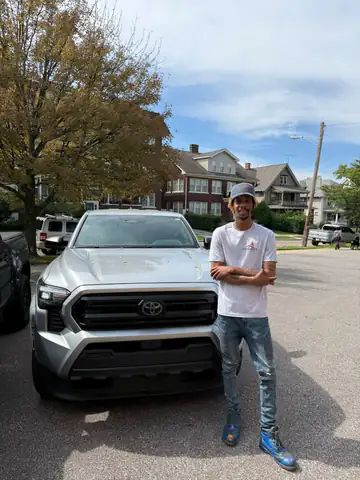
Myke
Technician
FAQ
Chimney Inspection in University Heights: questions we hear
Three houses on our street have had chimney work this year. Is that a coincidence?
Almost certainly not. These blocks were built by the same builders in the same seasons to the same details, so the chimneys have a shared birthday and a shared design life. When one original crown or corbel detail lets go, its neighbors are usually within a few winters of the same thing. It is worth an inspection while yours is still a repair rather than a rebuild.
Our crown was resurfaced a few years ago and it's cracked again. Why?
Because a resurface is not a crown. Mortar or ready-mix spread over an existing cracked crown has nothing sound to bond into, no overhang to throw water clear of the brick, and no gap around the flue tile to absorb movement, so it re-cracks along the original fault and then holds water against the masonry. A cast crown that is removed and replaced properly is more work up front and it stops the cycle.
Can we put gas logs in our original fireplace?
Often yes, but the set has to be sized to the firebox rather than chosen from a picture, the flue has to be scanned first, and the damper arrangement matters. An oversized set in a small 1930 firebox concentrates heat on masonry that was never built for it, and vented logs need the flue open to work safely. We would want to see the firebox and the flue before recommending anything.
Can you inspect a chimney that hasn't been swept?
We can look at the masonry, the crown, the cap and the flashing, but a camera cannot see a flue wall through a layer of creosote. If the flue is loaded, the scan is not telling you anything about tile condition. That is why sweep-plus-inspection is the normal booking — the sweep is what makes the inspection able to answer the question.
Do I get anything in writing?
Yes — photographs of what we found with an explanation of each item and where it sits on the urgent-to-fine scale. That document is what makes a chimney conversation verifiable instead of something you have to take on trust, and it is what you hand to a buyer, a seller or an insurer if it ever comes to that.
Free estimate
Chimney Inspection in University Heights?
Tell us what you’re seeing and we’ll call or text back to schedule a look — with photos of what we find and an honest read on what’s urgent and what can wait. That evidence-first method is the way we work on every job.
Call and tell us what the chimney's doing — if we're up on a roof, we'll call you back. Other ways to reach us are on the contact page, and University Heights is one of the communities we cover across Greater Cleveland.
Call216-647-1882