
Cuyahoga County, Ohio
Chimney Inspection in Strongsville, OH
Camera inspection of the full flue, plus the firebox, damper, crown, cap and flashing — documented in photos, explained in plain language.
What chimney inspection involves in Strongsville is set by the housing stock here: 70s–90s colonials and later builds — thin original crowns reaching the end of their service life, stiff original dampers, exterior stacks that run cold, and a generation of fireplaces overdue a first camera inspection.
Strongsville grew fastest between the 1970s and the 1990s, spreading out from the old town center along Pearl Road and Route 82 into large-lot subdivisions. Its chimneys reflect those decades precisely: full-height masonry fireplace chimneys on the colonials of the era, factory-built systems in the later builds, and everything now thirty to fifty years old — which is exactly the age where original components start failing on schedule rather than at random.
You cannot see the part of the chimney that matters most. From the ground a stack can look perfectly sound while the flue tiles inside are cracked, shifted, or missing their mortar joints entirely. A compromised flue is exactly how heat and combustion gases reach the wood framing that surrounds every masonry chimney, and there is no version of that story with a good ending. An inspection puts a camera up the full length of the flue and eyes on every accessible part of the system, and gives you the photographs rather than just a verdict.
What we find on Strongsville chimneys that leads to chimney inspection
Fireplaces with no history at all
The most common Strongsville situation is not a defect, it is an information vacuum. Nobody knows what is up there. The findings that come out of that first camera scan cluster predictably: a damper that has rusted stiff from disuse, a nest in an uncapped flue, creosote from a previous owner's burning habits, and occasionally cracked tile from a chimney fire nobody ever mentioned at the closing table. All of it is manageable; none of it is visible from the hearth.
Thin 1970s crowns failing on schedule
Crowns from this building era were frequently poured thin, flush with the brick, and bonded rigidly to the flue tile. All three are problems. Thin cracks, flush means water runs down the brick face instead of dripping clear, and a rigid bond to the tile guarantees a crack where the two move at different rates. Thirty to fifty years is about the service life of that assembly, which is why a whole generation of Strongsville crowns is reaching the end at once.
Exterior chimneys that run cold
The era's colonials typically put the chimney on an outside gable wall rather than through the middle of the house, which looks right and performs worse. A stack running up the outside never holds heat, so the flue is cold at startup and stays cooler through the burn. Cold flue walls are where creosote condenses, and a cold column of air is what makes a fireplace push smoke into the room for the first ten minutes. Priming the flue before lighting solves most of the smoking; the faster creosote build is a maintenance-frequency question worth knowing about.
The three inspection levels, in plain English
NFPA 211 defines three levels, and the vocabulary matters because it is the difference between a flashlight through the damper and a real answer. Most of what a Cleveland homeowner needs is a Level 2.
Level 1
A visual check of readily accessible parts, appropriate when nothing about the system has changed and it is under continued service. It confirms the chimney is structurally sound, the appliance connection is correct, and the flue is clear of obstruction. It does not tell you the condition of the flue's interior surfaces.
Level 2
Everything in Level 1 plus a camera scan of the flue's full interior and access to accessible portions of the attic, crawl space and basement where the chimney passes through. The standard calls for Level 2 when a property is sold or transferred, when the appliance or the fuel changes, when a liner is added or altered, and after an operating malfunction or an external event that may have caused damage. This is what we quote by default, because it is the only level that answers the question people are actually asking.
Level 3
Adds removal of building or chimney components to reach a concealed area, and it is uncommon. A Level 3 happens when a Level 2 found something serious and the extent of it cannot be established any other way. Nobody should be quoting you a Level 3 up front.
What we are actually looking for
- Cracked, shifted or missing clay flue tiles, and open joints between them — the failure that only a camera finds.
- Evidence of a past chimney fire: puffy honeycombed deposits, heat-warped damper components, discolored cap, tile cracked in a spiral pattern.
- Water damage: efflorescence, spalled brick faces, deteriorated mortar, a cracked or missing crown, rust at the damper or the base of a utility flue.
- Smoke chamber condition, including rough corbelled brick that was never parged and is quietly restricting draft.
- Firebox joints and refractory panel cracks, which are heat paths, not cosmetic flaws.
- Blockage: nests, leaves, fallen debris, a closed or collapsed damper, or in a converted flue, an abandoned connector left in place.
- Sizing and appliance match — whether the flue is correct for what is now venting into it.
- The chimney's height and termination relative to the roof, and its clearance to combustible framing wherever that can be observed.
This page covers chimney inspection as it plays out in Strongsville. The full chimney inspection page walks the whole job — every stage, what changes the scope, and what we do about each of them. For everything else we handle in this suburb, see chimney services in Strongsville.
What an inspection covers
- Camera scan of the full flue interior — every tile joint, documented
- Firebox, damper, smoke chamber and appliance connection condition
- Crown, cap, and the top courses of masonry photographed from the roof
- Flashing and the roofline intersection — the most common leak path
- Exterior masonry: spalling brick, open mortar joints, efflorescence
- A photo report with findings ranked: urgent, plan-for, fine
Meet the team
The people behind the work
Manny, Zack and Myke — meet the people behind Chimney Expert Solutions.
Our team and story →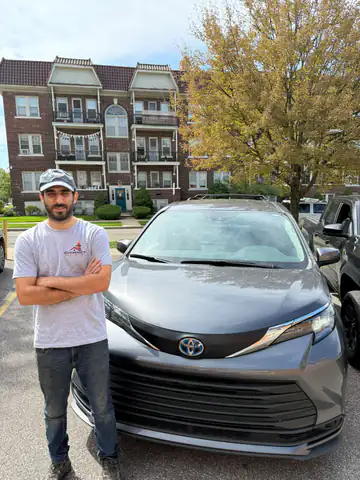
Manny
Owner
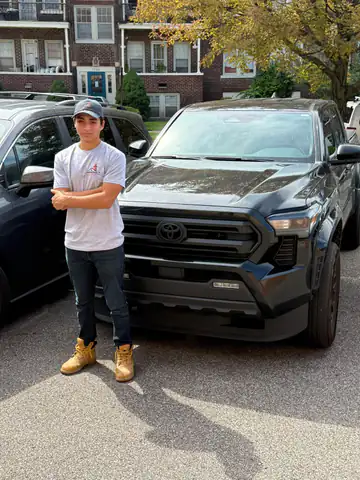
Zack
Manager
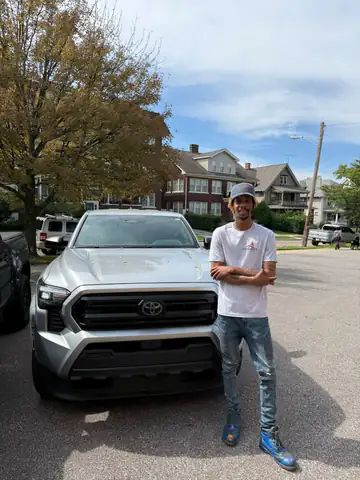
Myke
Technician
FAQ
Chimney Inspection in Strongsville: questions we hear
We just bought in Strongsville and have no chimney records. Where do we start?
Sweep plus camera inspection, one visit. It resets the clock: the flue gets cleaned, its condition is documented in photographs, and you find out what if anything needs attention before your first winter of fires. From there it is a normal annual rhythm, and the first visit is the one that produces all the information.
Our damper barely moves. Live with it or fix it?
Fix it. A damper that will not close is heating money going up the flue every day of the winter, and one that will not open reliably is how smoke ends up in the family room. Depending on condition that is either freeing, cleaning and re-seating the original, or fitting a top-sealing damper at the top of the flue, which seals better than the original ever did and keeps rain and animals out as a bonus.
The fireplace smokes for the first few minutes every time. Is that a defect?
Usually it is a cold exterior flue rather than a fault, and it is common on this era of house. The chimney is full of cold, dense air that will not move until it warms. Holding a rolled newspaper torch up at the damper for a minute before lighting primes the flue and solves most of it, and it costs nothing. If it still smokes after that, the cause is something else and worth diagnosing properly.
Do I get anything in writing?
Yes — photographs of what we found with an explanation of each item and where it sits on the urgent-to-fine scale. That document is what makes a chimney conversation verifiable instead of something you have to take on trust, and it is what you hand to a buyer, a seller or an insurer if it ever comes to that.
Can you inspect a chimney in winter?
Usually yes, and the inspection itself is not weather-dependent the way masonry work is. Snow, ice and steep roofs can push the roof-level portion, and anything we find that needs mortar will have to wait for temperatures above roughly 40°F. Finding it in January still beats finding it in an emergency.
Free estimate
Chimney Inspection in Strongsville?
Tell us what you’re seeing and we’ll call or text back to schedule a look — with photos of what we find and an honest read on what’s urgent and what can wait. That evidence-first method is the way we work on every job.
Call and tell us what the chimney's doing — if we're up on a roof, we'll call you back. Other ways to reach us are on the contact page, and Strongsville is one of the communities we cover across Greater Cleveland.
Call216-647-1882